


A cough that lasts for months along with thick mucus often indicates a deeper issue with your lung health. These signs are easy to ignore, yet they often mark the start of a condition that needs careful management.
Schedule a COPD care appointment with NuGen Medicine.
Managing COPD symptoms stages treatment starts with recognizing breathing changes and confirming lung function through clinical testing. Doctors use the GOLD system to track stages by measuring how much air you can blow out in one second. Treatment may include inhalers, pulmonary rehabilitation, and lifestyle changes tailored to your symptoms. According to the National Heart, Lung, and Blood Institute, each treatment plan should reflect the person’s needs and disease severity.
Managing your health starts with a clear understanding of how this condition affects your body and your breathing. It is helpful to get clear answers about your diagnosis so you can find the right care plan. Our guide starts by answering What is COPD, and why does it progress? The details begin with
Copd Symptoms Stages Treatment: What is COPD, and why does it progress?
Chronic obstructive pulmonary disease, or COPD, is a long-term lung illness that makes it hard to breathe. It is a progressive respiratory issue that affects millions of adults across the world. Most people who have it are over age 40 or have a past of smoking. While it often starts with a simple cough, it can lead to deep damage in the lungs over time.
Two main forms of lung issues
COPD is not just one disease. It usually involves two main issues: chronic bronchitis and emphysema. Chronic bronchitis causes a long-term cough and lots of mucus. This happens because the tubes that carry air to your lungs stay swollen.
Emphysema happens when the tiny air sacs in your lungs get damaged. This makes it hard for your body to get the oxygen it needs. Most people with COPD have a mix of both of these problems. People with this illness often face daily struggles with breathlessness and chest tightness.
Managing these symptoms is a key part of comprehensive chronic disease management. When you know how the disease works, you can take better steps to protect your health. This helps you keep a better quality of life as you age.
How the disease gets worse
The damage from COPD tends to build up slowly. At first, you might only feel out of breath when you work hard or play sports. As time goes on, the airways in your lungs lose their stretch. They may also get clogged with thick mucus, which blocks air flow.
This is why doctors use tests to see how much air you can blow out in one second. This measure helps find the stages of COPD and shows how much the lungs have changed. Knowing your stage helps your doctor pick the right care plan for you.
Flare-ups can also make the disease move faster. These are times when your symptoms get much worse quite quickly. Often, a cold or a lung infection can trigger a flare-up. Each time this happens, it can leave behind more scar tissue. This is why staying on top of your care is so vital for your long-term health.
The value of early finding
Many people have COPD for years without knowing it. They might think their cough is just a sign of getting older. But finding the disease early is the best way to slow it down. When caught soon, you can start treatments that help open your airways and reduce swelling. This can keep you active and help you avoid trips to the hospital.
Modern tools now make it easier to get help from home. You can start managing chronic conditions via telehealth to talk with a doctor about your symptoms. Early care can help you keep your lung function for as long as possible. Working with a doctor like Dr. Ghadimi ensures you have a clear plan for your unique needs.
What are the common symptoms of COPD?
Chronic obstructive pulmonary disease (COPD) is a lung illness that gets worse over time. It affects your whole body and how you live. Many people have this lung issue but do not know it yet. It is most common in smokers and people who are over the age of 40. Because the signs start slowly, you might think they are just part of getting older. But these signs often mean your lungs need help.
Early care is vital for a better life. At NuGen Medicine, we focus on a root-cause approach to help you stay active and healthy. If you notice changes in your breathing, a comprehensive chronic disease management plan can help you feel better. We work with you to find the best way to manage your health every day.
Early signs and daily breathing
In the early stages, the signs of COPD can be mild. You might have a cough that does not go away for a long time. People often call this a “smoker’s cough,” but it is a sign that your lungs are having a hard time. You may also notice more mucus or phlegm than usual. This happens because your airways are sore and make extra fluid to protect themselves.
Shortness of breath is another common sign that people often miss. At first, you may only feel it when you move or do hard work. You might find that you get tired more easily during a simple walk. As the disease grows, these tasks feel harder to do. Many patients also hear a whistling sound when they breathe, which is called wheezing. This sound happens when your air tubes get narrow.
Signs of advanced COPD
As COPD moves into later stages, the signs become more severe and hard to ignore. You may feel short of breath even when you are sitting still or resting. This lack of air can lead to feeling worn out all the time. Your body has to work harder just to get the oxygen it needs to function. This can make it hard to do simple daily tasks like getting dressed or cooking a meal.
Other later signs include:
- A tight feeling in your chest that does not go away.
- Swelling in your feet, ankles, or legs.
- Losing weight without trying or not feeling hungry.
- Frequent lung infections like the flu or a bad cold.
If you find it hard to visit a clinic in person, managing chronic conditions via telehealth is a good choice. We can monitor your health and change your care plan from your own home. This keeps you safe while giving you the expert care you need from Dr. Ghadimi.
Flare-ups and urgent red flags
A COPD flare-up is when your signs get worse fast. These events are often caused by a lung infection, smoke, or dirty air. During a flare-up, your cough may get worse. You might also see a change in the color or thickness of your mucus. You will likely find it harder to catch your breath than you do on a normal day.
According to the National Heart, Lung, and Blood Institute, you should have a plan for these times. Some red flags need quick medical help right away. If your lips or nails turn blue or gray, your oxygen level is too low. You should also get help if you have a fast heart rate or feel confused. Working with a doctor ensures you have a clear path to manage these risks and stay out of the hospital.
How do the four COPD stages differ?
Doctors use the Global Initiative for Chronic Obstructive Lung Disease (GOLD) system to group COPD into four stages. This system helps your care team find the best full chronic disease management plan for you. These stages range from mild to very severe. Each grade depends on how well your lungs work and how much your life changes. Knowing your stage helps Dr. Ghadimi pick the right tools to help you breathe well.
Measuring lung function with spirometry
The main way to find your stage is through a spirometry test. This test measures how much air you can breathe out and how fast you can do it. Your doctor looks at two key numbers to gauge your health. Forced vital capacity (FVC) is the total amount of air you can exhale in one big breath. Forced expiratory volume in one second (FEV1) measures the air you push out in the first second of that breath.
A COPD diagnosis usually happens when the FEV1/FVC ratio is less than 0.7. This shows that your airways are blocked or narrowed. By comparing your FEV1 to what is normal for your age and size, doctors can see how far the disease has moved. This data is vital for setting up COPD treatment that fits your needs. Early testing is the best way to start care before your lungs face more harm. At NuGen Medicine, we use these tests to track your progress and adjust your medicine over time.
FEV1 is the main tool used to rank how bad the lung disease is. It shows the strength of your lungs and how much blockage is in your tubes. As COPD gets worse, this number drops. Tracking this value helps your team know if your current plan is working. Regular checks at our Scottsdale clinic or via virtual visits ensure your numbers stay as high as possible.
Breaking down the four GOLD grades
Stage 1 is the mildest form of the disease. In this phase, your FEV1 is usually between 80% and 100% of the normal value. You might not see many signs yet, or you may have a slight cough. As you move to Stage 2, or moderate COPD, symptoms become more clear. You might feel short of breath after doing chores or walking up stairs. Most people find out they have COPD now because loss of breath limits daily life.
Stage 3 is severe COPD. At this point, breathing becomes a major struggle. You may have more flare-ups and find it hard to finish basic tasks. Your energy levels may be low because your body has to work harder to get oxygen. Stage 4 is very severe. Airflow is very limited, and your blood oxygen levels may drop. This stage often needs more intense care, such as oxygen therapy or hospital stays for major flare-ups. People in this stage may feel short of breath even when they are sitting still.
| GOLD Grade | Severity | Typical Symptoms |
|---|---|---|
| Grade 1 | Mild | Cough or mucus; mild loss of breath. |
| Grade 2 | Moderate | Short of breath with daily tasks; wheezing. |
| Grade 3 | Severe | Frequent flare-ups; hard to stay active. |
| Grade 4 | Very Severe | Major airflow limit; life-threatening signs. |
Why symptoms and history matter
Lung test numbers do not tell the whole story. Your doctor also looks at how often you have flare-ups, which are called exacerbations. If you have two or more flare-ups in a year, you may need a more active plan. This is true even if your lung test numbers are still in a better range. Caring for these risks often involves managing chronic conditions via telehealth to catch issues early. We want to stop a small cough from turning into a hospital visit.
The goal is to keep you stable and prevent more lung damage. Your medical doctor might check your eosinophil counts to pick the right medicine. These counts help show if your body has swelling that a steroid could help fix. Modern care also looks at your past health and how you feel each day. By looking at your symptoms and your test results together, your team can build a plan that keeps you active. We focus on personal care to help you stay in charge of your health.
How is COPD diagnosed?
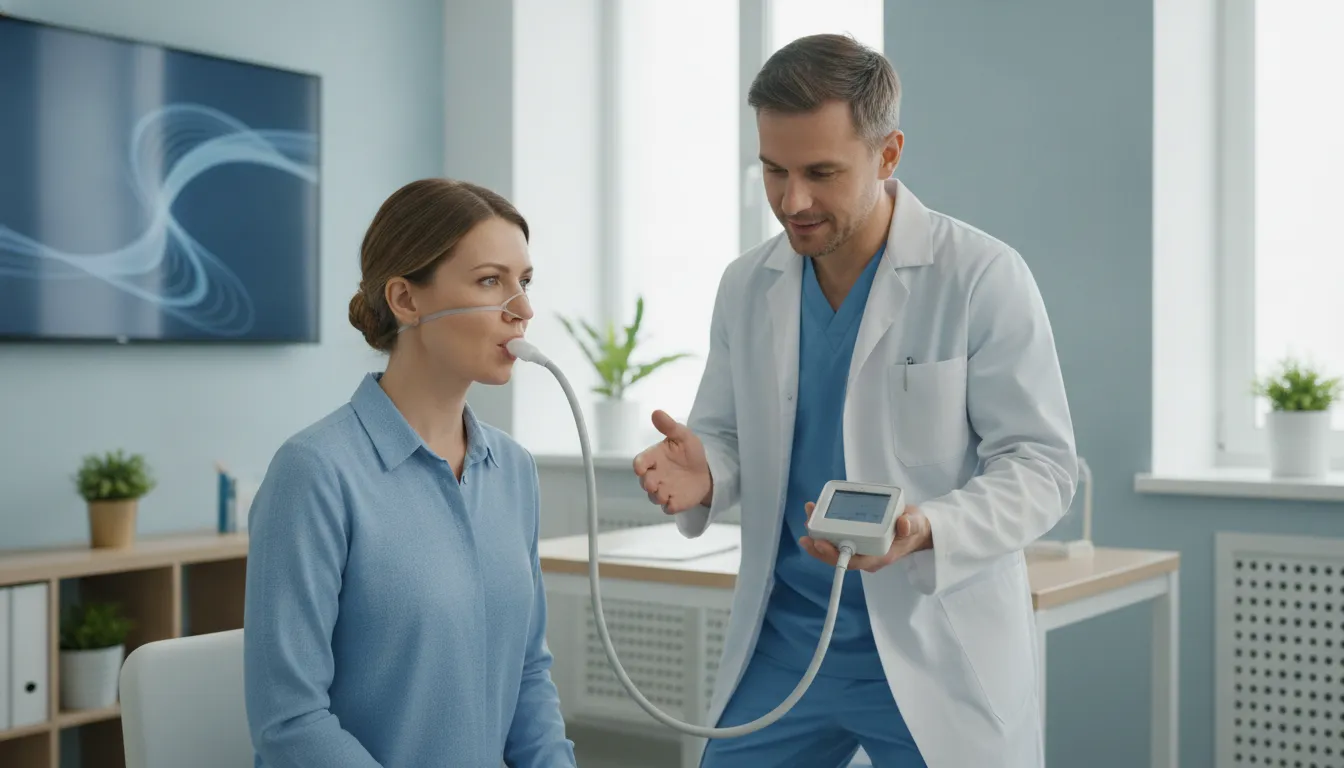
Finding out if you have chronic obstructive pulmonary disease (COPD) starts with a conversation with your doctor. They will ask about your health history, smoking, and exposure to dust or fumes. A physical exam may identify wheezing and other breathing changes. Doctors then use tests to measure how well your lungs work. Early detection can support better care decisions, as noted by experts at the NIH.
Checking lung function
The most common test for COPD is spirometry. You take a deep breath and blow hard into a tube connected to a machine. The test measures forced vital capacity (FVC) and forced expiratory volume in one second (FEV1). These numbers help clinicians assess the severity of airflow obstruction. A post-bronchodilator FEV1/FVC ratio below 0.7 can support a COPD diagnosis when interpreted by a clinician.
Other diagnostic steps
Your doctor might use other tests to understand your lung health. A chest X-ray or CT scan can show signs of emphysema and help rule out other conditions. Blood tests may assess oxygen levels or look for alpha-1 antitrypsin deficiency. In some cases, remote patient monitoring for chronic conditions can help your care team track symptoms over time.
- Review health history: Your doctor asks about smoking, work hazards, and family health. They listen for symptoms like chronic cough or short breath.
- Perform physical exam: A clinician listens to your lungs and heart. They check for swelling in your feet or a blue tint to your lips.
- Run spirometry tests: This core test measures lung power and speed. It is the gold standard for confirming if you have COPD.
- Order imaging: X-rays or CT scans let doctors see the structure of your lungs. They use these to find damage and rule out other sickness.
- Check blood work: Labs can find low oxygen or genetic risks. These results help guide your specific treatment plan.
- Review results: Your care team looks at all the data to set your COPD stage. They then start a plan to help you breathe easier.
NuGen Medicine offers direct care from a board-certified physician to help with this process. Whether you visit the clinic or use Virtual Care Visits, we focus on a root-cause approach. We use evidence-based steps to find the right diagnosis for you. This ensures your care plan is built on facts and clear data about your lung health. We take the time to explain your results so you can feel sure about your next steps in care.
Which COPD treatments can improve daily life?
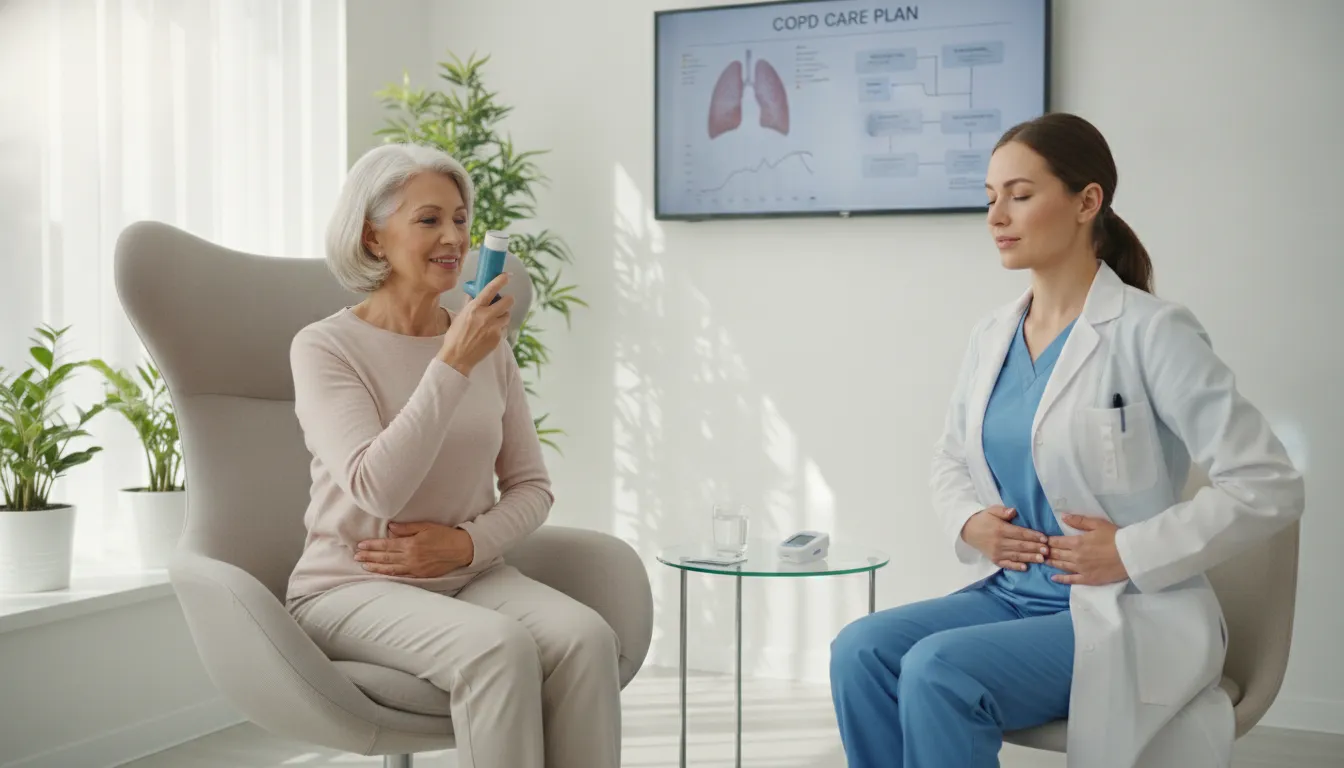
Managing chronic obstructive pulmonary disease (COPD) focuses on easing symptoms and improving your quality of life. Since COPD is a progressive condition, your doctor will create a plan based on the severity of your case. Care often includes a mix of medicine, life changes, and support to help you breathe easier each day. At NuGen Medicine, we offer chronic care management to help patients handle these various therapies.
Medication and inhaler therapy
Inhalers are a common way to give medicine directly to the lungs. Bronchodilators are the main type of drug used for COPD treatment to help relax the muscles around your airways. Short-acting types work fast and last about four to six hours, while long-acting types can last 12 hours or more. If your symptoms flare up often, a doctor may prescribe a steroid to reduce swelling and inflammation. Using the right way to use your inhaler is key to ensure you get the full dose of your medicine.
Newer options are also coming out for patients with moderate to severe symptoms. In 2024, a new medicine was approved that combines a bronchodilator with a drug that reduces inflammation. This mix helps the body clear mucus more easily while opening the airways. For those who find it hard to travel, managing chronic conditions via telehealth allows for regular medicine checks without a trip to the clinic.
Pulmonary rehab and oxygen support
Pulmonary rehab is a program that teaches you how to manage your lung condition. It often includes exercise, health lessons, and breathing tips. These programs are made to help you stay active and reduce the number of times you feel short of breath. Some patients can even find these programs on the web or through a mobile app if they cannot visit a center in person.
In cases where blood oxygen levels are low, oxygen therapy may be needed. This treatment gives extra oxygen for you to breathe through a mask or small tubes in your nose. It is one of the best ways to support your heart and brain when your lungs cannot do the full job. Many patients find that using portable units lets them keep up with daily life and stay social.
Prevention and care planning
Stopping smoking is the most important step for anyone with COPD. It stops more damage to the lungs and makes other treatments work better. Vaccines are also a big part of your care plan. Since lung infections can lead to serious flare-ups, staying up to date on flu shots helps protect your lungs from extra stress. If an infection does start, your provider may use antibiotics to treat the flare-up and stop it from getting worse.
Good care needs a clear plan for when symptoms change. You should work with your health team to make a “flare-up plan.” This plan tells you what to do if you have more mucus or breathlessness. This often means having special medicine ready and knowing when to call for help. Through remote patient monitoring for chronic conditions, your doctor can watch your health between visits to catch these changes early.
When should you seek medical care for COPD?
Living with chronic obstructive pulmonary disease (COPD) means you must watch your health closely. Small changes in how you feel can be a sign that your lung health is shifting. You should not wait for a big crisis to speak with a doctor. Regular check-ups help you manage the symptoms and stages of this disease. These visits help keep your treatment plan on the right track as your health changes over time.
Signs you need a routine visit
Routine care is the best way to keep your lungs working well for as long as possible. You should book a visit if you notice a slow increase in your daily cough. It is also a concern if you start to make more mucus than usual. If you feel more tired than normal while doing simple tasks, it may be time for a check-up. These visits allow your doctor to see if your current drugs are still working or if you need a change.
At NuGen Medicine, we give full chronic disease care for our patients. Our team works with you to track your symptoms often. We help you stay on top of your inhaler use and make sure you use the right steps to breathe in your medicine. Monthly check-ins can help find small changes before they turn into big health risks. This steady care is key for people living with a long-term lung disease.
When to seek emergency care
Some symptoms are serious and need help right away. A sudden and severe jump in your breathing trouble is a major red flag. This event is often called a flare up. You should seek emergency care if you have sharp chest pain or if you feel confused. Other dangerous signs include a blue tint on your lips or your fingernails. These signs often mean your body is not getting the oxygen it needs to work well.
It is vital to have a clear plan for when these serious moments happen. You should discuss a plan with your provider for treating a sudden flare up. This plan will tell you which special medicines you may need to take. It also gives you clear steps on when you must go to the hospital. Taking fast action can help save your life and prevent more damage to your lungs. Do not ignore these signs or wait to see if they go away.
Accessing care at NuGen Medicine
We make it simple for you to get the support you need. Our hybrid care model lets you choose how you want to see your doctor. You can visit our clinic in Scottsdale, Arizona, for in-person exams and lung tests. This is the best way to do physical checks and see how well your lungs work. Dr. Ghadimi leads our clinic to make sure every patient gets the personal care they need.
If it is hard for you to leave your house, we have other ways to help. You can use virtual care for chronic disease to talk with our team from home. Virtual visits are a fast way to discuss new symptoms or get a refill for your scripts. Our approach combines modern tools with expert skill. We aim to help you live a full life while managing COPD symptoms and treatment.
Frequently Asked Questions
How long do COPD inhalers last?
Short-acting inhalers often work for 4 to 6 hours. You use them only when you feel short of breath. Long-acting types last for 12 hours or more. This means you only need to use them once or twice a day. These drugs help relax the muscles near your lungs to make breathing easier. According to the NHLBI, your doctor will pick the right type based on how often you have symptoms.
Can I get pulmonary rehab at home?
Yes, you can join a rehab plan using your phone or a web app. This helps if it is hard for you to travel to a clinic. These plans teach you how to move and breathe better. They also offer health tips to help you feel strong each day. The NHLBI states that virtual care is a good way to get the help you need without leaving your house.
Does insurance cover COPD care?
Many insurance plans pay for long-term care for lung issues. At NuGen Medicine, the office team can check your plan before you start. These plans include monthly check-ins and help with your drugs. Since every plan is not the same, you should ask your team to check first. They can help you find out what you will owe. This ensures you get steady care from your doctor without any big cost shocks.
Are antibiotics used for COPD?
Doctors may give you drugs to kill germs if a lung bug causes your symptoms to get worse. These drugs help you breathe better again. However, they do not work for every flare-up. They only help when the cause is a bug from germs. According to the NIH, your provider will look at your signs to see if you need them. They will create a plan that fits your health needs.
Ready to take control of your COPD symptoms and breathe easy?
Do not ignore a lasting cough or increasing trouble with breathing. A clinical evaluation can identify the cause and clarify whether testing or treatment is needed. If COPD is diagnosed, a personalized care plan can help you manage symptoms and know when to seek additional help.
Ready to schedule an appointment? Visit our site to schedule an appointment and start your custom care plan today.
Leave a Reply