


COPD symptoms stages treatment decisions often begin with a small change, such as shortness of breath during a light walk. That change can signal that your lungs need expert care.
Schedule a consultation with NuGen Medicine to discuss changing COPD symptoms.
COPD symptoms stages treatment plans help you breathe easier and stay active as the disease moves through its four main levels. This chronic illness causes airflow blockage that makes it hard to breathe over time. Doctors use four stages to rank how well your lungs function. These stages go from mild to very severe based on special breath tests. Early care helps you stay active and keep your symptoms under control. Modern tools now allow your doctor to check your health from home using remote monitoring. This means you can get help fast when your breathing changes. Chronic obstructive pulmonary disease is a progressive, systemic respiratory condition that affects millions of adults worldwide and often goes without a clear diagnosis (StatPearls). An individualized COPD plan can combine prescribed medication, activity guidance, trigger avoidance, and regular clinical follow-up.
Care for a chronic lung issue needs a clear plan and the right medical support. This guide explains how the disease moves through each level, which care options may help, and what to discuss with your clinician.
COPD symptoms stages treatment: the essential overview
What to know about lung disease
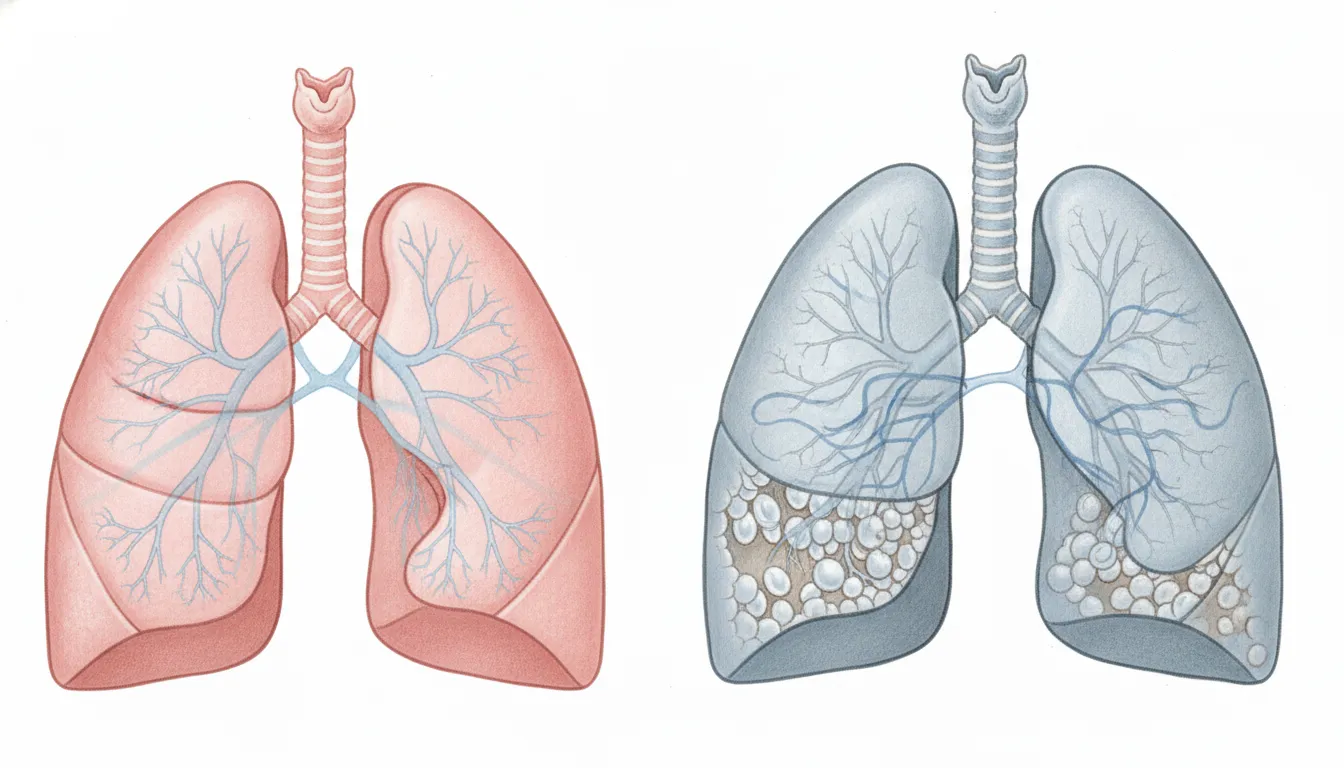
Chronic obstructive pulmonary disease, or COPD, is a long-term lung issue. It makes it hard for you to breathe. This disease gets worse over time (https://www.ncbi.nlm.nih.gov/books/NBK559281/). COPD often involves two main problems: emphysema and chronic bronchitis. Emphysema happens when the air sacs in your lungs get damaged. This makes it hard for your body to get enough oxygen. Chronic bronchitis causes a long cough and a lot of mucus in your airways.
Most people with COPD have a mix of these two issues. This condition limits how much air you can move in and out of your lungs. The damage is not able to be fixed, but you can manage it with the right care. Early help lets you keep your lung function as long as you can. It also helps you live a full and better life. At NuGen Medicine, we focus on personalized chronic disease care with a plan made just for you.
Early signs and missed symptoms
Many people have COPD and do not know it. In the early stages, signs can be very mild (https://www.nhlbi.nih.gov/health/copd/treatment). You might feel a bit short of breath when you walk fast. You may also notice it when you go up stairs or do chores. You might have a cough that does not go away. Some people think these are just signs of getting older. They might think they are just out of shape or have a “smoker’s cough.” This is why many cases stay hidden for years without a checkup.
As the disease moves forward, signs become clear. You might notice a wheezing sound when you breathe. Your chest may feel tight. You might clear your throat often, mostly in the morning. Mucus can build up in your chest and make it hard to take deep breaths. It is common to feel tired because your body works hard to breathe. Catching these signs early is key to better COPD symptoms stages treatment and care. Early care helps stop the disease from getting worse too fast.
When to see a doctor for a checkup
If you have a cough that lasts for weeks, you should see a doctor. You should also go if you have trouble breathing when you move. This is very vital if you are over age 40. It is also vital if you have a history of smoking or being around smoke. A doctor uses a simple test to check your lungs (https://www.ncbi.nlm.nih.gov/books/NBK559281/). This test is called spirometry. It measures how much air you can blow out. It also shows how fast you can do it in one second. This helps us find the best way to help you breathe easier.
NuGen Medicine offers a modern way to care for your health. We use a model that blends office visits with virtual care. This makes it easy for you to stay in touch with your team from home. Our team works together to help you. This includes doctors, nurses, and other health pros (https://www.ncbi.nlm.nih.gov/books/NBK559281/). We use tools to watch your health day and night. This active care helps us catch small changes early. We want to stop big problems before they start. We work with you to find the cause of your issues. Our goal is to help you feel your best every day.
What are the symptoms of COPD?
Chronic Obstructive Pulmonary Disease (COPD) is a long-term lung illness that makes it hard to breathe. It is a progressive disease, which means it can get worse over time. In the early stages, you might not notice any signs at all.
As the disease moves forward, your lungs may have more trouble moving air in and out. This lack of airflow can lead to many daily problems. If you are ongoing support for lung health, knowing the early signs is the first step to feeling better.
Common warning signs of COPD
Common warning signs include:
- A cough that does not go away or produces mucus or phlegm
- Shortness of breath during stairs, walks, or household tasks
- Wheezing or a whistling sound when breathing
- Chest tightness that makes deep breaths difficult
- Unusual fatigue because the body works harder to breathe
These symptoms often become more noticeable after lung function has already changed. According to the National Center for Biotechnology Information, COPD is a systemic illness. It affects millions of people and often goes without a diagnosis for too long.
Managing flare ups and worsening symptoms
A COPD flare-up is when your symptoms suddenly get worse. During a flare-up, you might notice that you are more short of breath than usual. Your cough might get louder, or you might see a change in the color or amount of your mucus.
Some people also get a fever or feel very weak during these times. It is vital to track these changes so you can talk to your doctor right away. Using between-visit health monitoring can help your care team spot these shifts early.
Flare-ups are often caused by lung infections like a cold or the flu. Bad air, smoke, and strong smells can also trigger them. Managing these triggers is a big part of staying healthy.
When symptoms get worse, your doctor might need to change your medicine. They may also add new tools to your care plan. Staying on top of your health helps keep your lungs working for as long as they can.
When to seek urgent medical care
Some symptoms are very serious and need care right away. You should get help if you find it very hard to talk or catch your breath. If your lips or fingernails look blue or gray, your body is not getting enough oxygen.
A fast heart rate or feeling confused can also mean you are in a crisis. Do not wait to see if you feel better on your own. These are signs that your lungs need help from a medical team now.
Other red flags include a high fever or severe chest pain. If you use a rescue inhaler and it does not help, you should call your doctor. Rapid care can stop a flare-up from becoming life-threatening.
Having a clear plan for emergencies can give you peace of mind. It helps you stay safe when your symptoms shift. Talk to your doctor to build a plan that fits your health needs.
How do the four stages of COPD differ?
Doctors use a system called GOLD to track how far your lung disease has gone. Chronic obstructive pulmonary disease (COPD) is a long-term lung disease that makes it hard to breathe. As it gets worse, it limits how much air you can push out of your lungs. This measure is called FEV1. It shows the volume of air you can exhale in one second. Knowing your stage helps you find the right daily strategies for managing COPD with your care team.
Staging is not just about a number. It is about how the disease affects your daily life. Your doctor looks at your test results and your history of lung flare-ups. This combined view helps them see the full picture of your health. At NuGen Medicine, we focus on root causes to help you manage your symptoms and stay active. We use modern tools to keep a close eye on your progress from home.
Understanding the GOLD grades
Your doctor will use a breath test called spirometry to check your lungs. This test tells them which of the four stages you are in. Each stage shows a different level of damage to your airways. In the early stages, you might not feel many symptoms at all. You might just think you are out of shape or getting older. NuGen Medicine helps with chronic disease management services through regular check-ups and testing.
As you move from mild to severe stages, the signs become more clear. You may find that you cough more or have more phlegm. In the later stages, your lungs cannot get enough oxygen to your body easily. This makes even simple tasks like dressing or bathing feel like hard work. We work with you to slow this process down and keep your lungs as strong as they can be.
| COPD Stage | FEV1 Score | Typical Impact |
|---|---|---|
| Stage 1 (Mild) | 80% or more | You might have a cough but feel mostly normal. |
| Stage 2 (Moderate) | 50% to 79% | You get out of breath during brisk walks or exercise. |
| Stage 3 (Severe) | 30% to 49% | Daily tasks and light chores make you feel very tired. |
| Stage 4 (Very Severe) | Less than 30% | Breathing is very hard even when you are at rest. |
Going beyond the breath test
While the FEV1 score is a key tool, it does not tell the whole story. Doctors also look at your symptoms and how often you get sick. They use a tool called the ABE model to group patients for treatment. This model looks at how many times your symptoms get worse each year. These flare-ups can lead to hospital stays if they are not managed well.
The ABE model helps your team see if you need more intense care or new kinds of medicine. It looks at how much your breathing limits your life and your risk for future flare-ups. By looking at the whole person, we can find the best ways to help you breathe easier. This full view ensures you get a personal plan that fits your specific needs and goals.
Why staging matters for your plan
Each stage of COPD needs a different path. For mild cases, you might only need a short-acting inhaler when you feel short of breath. These drugs help open your airways fast for a few hours. But for moderate to severe cases, you may need daily drugs to keep your lungs open all day. Knowing your stage helps your doctor pick the best care plan for you.
Staging also helps you plan for the future. It gives you a roadmap for what to expect and how to stay ahead of the disease. Early action can help prevent your lungs from getting worse too fast. Whether you need lifestyle changes or new meds, knowing your stage is the first step. At NuGen Medicine, we guide you through every step of this journey with expert care and support.
How is COPD diagnosed and assessed?
Finding out if you have COPD is the first step toward feeling better. Doctors use several tests to check your lungs. They look at your past health and how well you breathe. This helps them find the best plan for you. Early care can help stop more damage to your lungs.
The steps to a COPD checkup
Your doctor will follow a clear path to check your health. They want to see how your lungs work right now. Here are the common steps they take:
- Review your past health. Your doctor will ask about your health history and smoking. They will also ask about your COPD symptoms like coughs or shortness of breath.
- Perform a spirometry test. You will breathe into a tube to see how much air you can hold. This test measures how fast you can push air out of your lungs.
- Check oxygen levels. A small clip on your finger can measure the oxygen in your blood. This is called pulse oximetry and takes only a few seconds.
- Use scans and tests. A chest X-ray or CT scan might be needed. These pictures show if your lungs look damaged or if something else is causing your cough.
- Check the disease level. Your doctor will use your test results to find your stages. They often use the ABE model to plan your treatment and care.
Appointment tips for patients
You should bring a list of all your current meds to your visit. Write down when your symptoms feel worse or better. It also helps to bring a friend or family member with you. They can help you keep in mind what the doctor says about physician-led COPD care and next steps.
Long-term health watching
At NuGen Medicine, we focus on more than just the first checkup. We use long-term COPD support to help you stay well. Our team uses tools to watch your health from home. This lets us make fast changes to your care plan when you need help.
Which treatments help people manage COPD?
Living with COPD means you need a clear plan to stay healthy. This illness lasts a long time and can get worse if you do not treat it. Your doctor will create a plan that fits your life, your stage of disease, and your goals.
This plan often includes a mix of drugs, lifestyle shifts, and regular check-ups. The main goal is to help you breathe with less effort. These steps can also help you stay active and feel better each day.
Common drugs and inhalers
Most people with COPD use inhalers to get medicine into their lungs. These tools are helpful because they deliver the drug right where it is needed. For mild symptoms, your doctor might give you a short-acting bronchodilator.
You take this drug only when you feel short of breath. It works fast to relax the muscles in your airways and lasts about four to six hours. This helps you get quick relief when you need it most.
If you have symptoms more often, you might need a long-acting drug. These meds stay in your body for 12 hours or more. They help keep your airways open through the day and night.
Some patients also take steroids to lower the swelling in their lung tissue. In 2024, the FDA approved a new add-on drug that offers more help for some people. This drug helps control the disease in a new way.
Using your inhaler the right way is just as important as the medicine itself. Many people struggle with the right technique, so the drug does not work well. Your care team can show you how to use your tool to get the best results.
Pulmonary rehab and lifestyle changes
Drugs are only one part of the fix. You also need to change some habits to protect your lungs. Quitting smoking is the most vital step you can take. It is the best way to slow down the disease.
Quitting stops more damage and keeps your lungs from getting worse. Your doctor can give you tools and support to help you quit for good. This makes every other treatment work much better and saves your breath.
Pulmonary rehab is another great way to feel better. This program teaches you how to exercise and breathe in a way that saves energy. You will learn special ways to move that do not leave you gasping for air.
Most people find they can do more and feel less tired after they finish this training. It helps you stay active and social. This program is a key part of long-term care for your lungs and your heart.
Eating well and staying away from triggers also helps. Try to avoid smoke, strong smells, and very cold air. These things can make it hard to breathe and might cause a flare-up. You should also keep up with your shots.
Working with your medical team
A team approach is the best way to manage a chronic illness. This team might have your main doctor, a lung expert, and a nurse. At NuGen Medicine, we offer a coordinated chronic care plan to help you.
This team makes sure your treatment stays on track. We use tools to watch your health even when you are at home. This focus on preventive care and monitoring lets us see changes right away.
If you start to feel worse, we can adjust your plan quickly. Regular tests like spirometry help us check how well your lungs are working. This data tells us if your current drugs are doing their job.
Your care plan should change as your needs change. Some people may eventually need extra oxygen if their blood levels get too low. Others might look into surgery if the disease is very severe.
According to the National Heart, Lung, and Blood Institute, treatment plans must be based on your unique symptoms. This personal care is the best way to stay healthy over time.
How can remote monitoring support COPD care?
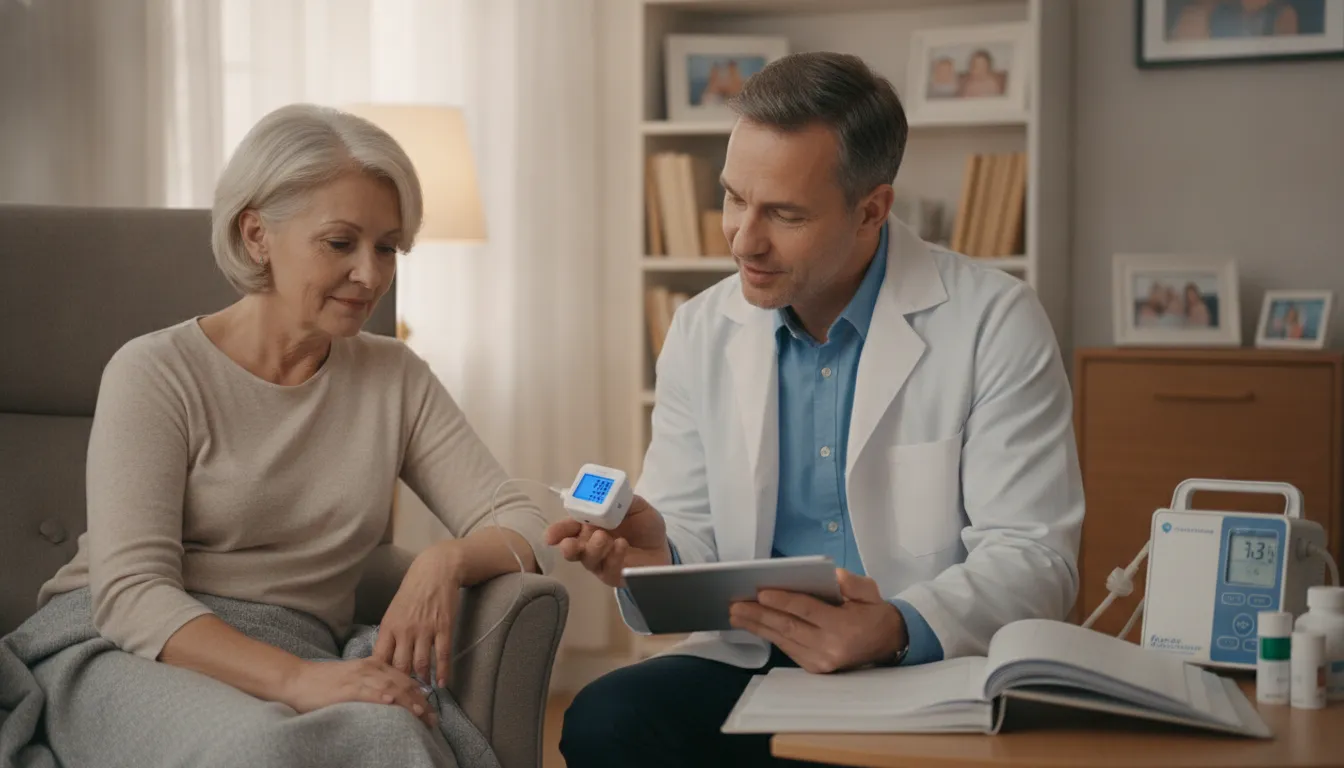
Remote monitoring helps you manage COPD between your doctor visits. This technology lets your care team track your health from your home. It uses tools like a patient portal and digital devices to send data to your clinic. By watching your health daily, your doctor can catch small changes before they turn into big problems. This proactive approach is a key part of ongoing care from NuGen Medicine.
What does remote monitoring track?
Monitoring tools can track several vital signs and guidance for living with a chronic condition. Common data includes your blood oxygen levels, heart rate, and how often you use your rescue inhaler. You may also answer short questions about your breathing or cough each day. This information helps your doctor see how well your current treatment plan works for you.
A care team reviews your data to find trends. For example, if your oxygen levels drop over a few days, it might mean your symptoms are getting worse. This trend can prompt your doctor to reach out to you. They may adjust your medication or suggest a virtual care visit to check your progress. This early action can help you avoid a trip to the hospital.
How does monitoring involve caregivers?
Remote monitoring is helpful for family members and caregivers too. It gives them peace of mind to know that a medical team is watching your health. Caregivers can often see the same data you do. This makes it easier for them to support you and help you follow your monitoring for chronic respiratory conditions plan. It also helps everyone stay on the same page about your health status.
Your care team can use this data to teach you and your family. If a certain activity causes your oxygen to dip, your team can help you find ways to stay active safely. This team approach, involving doctors and nursing staff, improves patient outcomes across the continuum of disease severity. It makes you an active partner in your own healthcare journey.
What are the limits of monitoring?
While at-home health tracking is very helpful, it does have some limits. It is meant to support your care, not replace your regular checkups. You still need to see your doctor for physical exams and tests like spirometry. Also, monitoring is not a tool for emergencies. If you have sudden, severe trouble breathing, you must still seek emergency help right away.
Technology can also have small bugs, such as a lost internet link. You and your care team will have a plan for what to do if the data stops sending. Even with these limits, remote support between appointments provides a safety net. It helps ensure that you never have to manage your COPD alone between your scheduled clinic visits.
What can patients and caregivers do each day?
Living with a long-term lung disease takes work. You and your family can do a lot to help you breathe better and stay out of the hospital. Daily care starts with small steps that keep your lungs safe from harm. By taking charge of your health each day, you can live a full and active life.
Manage your daily care
The best way to start is to stop smoking. It is the top risk for lung damage. You should also stay away from dust, strong smells, and smoke from fires. These things can make your lungs tight and hard to use. Many patients use practical COPD self-management steps to handle these triggers. Try to keep your home air clean by using a good filter.
You must also use your inhaler the right way. Many people do not get the full dose because they use the device wrong. Proper inhalation technique is needed for your medicine to work well. It sends the drug deep into your lungs where it can help you most. If you are not sure how to use it, ask your care team to show you again. It is also wise to set a timer so you never miss a dose.
Watch for symptom changes
It is vital to know how you feel each day. Keep a simple log of your cough and how much breath you have. If you feel more tired than usual, write it down. This helps you find a flare-up before it gets too bad. Early action can stop a small problem from becoming a big one. You might also want to track how well you sleep at night.
Caregivers play a big role here. They often see small changes that the patient might miss. Watch for a change in phlegm color or more leg swelling. These signs mean it is time to call your doctor. Tracking these items helps your doctor adjust your patient-centered chronic care plan. Working with a team ensures you get support for complex chronic conditions. A quick call to the clinic can often prevent a trip to the ER.
Use remote health tools
Modern tech makes it easier to stay in touch with your doctor. You can use remote health monitoring to send your data to your clinic from home. This lets your team watch your heart rate and oxygen levels day and night. It gives you peace of mind and saves you a trip to the office. This is very helpful for those who live far from the clinic.
Being active also helps your lungs stay strong. Talk to your doctor about safe ways to move your body. Even a short walk can help your muscles use oxygen better. This makes daily tasks like dressing or cooking feel less hard. By staying active and using tech, you take control of your health. It is also good to eat small meals that are easy to chew and swallow. This keeps you from feeling too full and out of breath.
Book a COPD care consultation with NuGen Medicine.
Frequently Asked Questions
What is the best treatment for COPD?
There is no single best treatment for everyone. Most plans use a mix of drugs and lifestyle changes. Doctors often give you inhalers to open your airways. For more severe cases, you may need daily drugs or extra oxygen. According to the National Heart, Lung, and Blood Institute, your care plan should fit your own needs. Quitting smoking and staying active are also vital steps to keep your lungs strong.
How does COPD severity affect life expectancy?
Life span with this lung illness depends on your stage and how well you manage it. People with mild cases who quit smoking often have a near-normal life. In later stages, the disease puts more stress on the heart and body. According to WebMD, very severe cases mean your lungs work at less than 30 percent. Early care and following your plan can help you live a longer and more active life.
How long do COPD inhalers last?
How long an inhaler lasts depends on the type of drug inside. Short-acting inhalers are used for fast relief and usually last about four to six hours. Long-acting drugs are meant for daily use and often last 12 hours or more. The National Heart, Lung, and Blood Institute says these daily meds help keep your airways open over time. It is vital to use the right method so the drug reaches your lungs.
What was the new COPD drug approved in 2024?
In 2024, a new add-on drug was approved to help people control their lung disease. This drug is used along with other treatments for those with more severe symptoms. It works to lower flare-ups and help patients breathe easier. According to the National Heart, Lung, and Blood Institute, this new tool can help you better manage the disease. Your doctor can tell you if this new drug is a good fit for your care plan.
Take the next step toward steadier COPD care
COPD care works best when patients, caregivers, and clinicians can act on changes early. NuGen Medicine offers physician-led chronic care management, virtual visits, and remote monitoring support for people managing long-term health conditions.
Contact NuGen Medicine to ask how a personalized COPD care plan may help you stay connected between visits. If you have severe trouble breathing, blue or gray lips, confusion, or another emergency warning sign, call 911 instead of waiting for a routine appointment.
Leave a Reply