


High cholesterol often hides in your blood with no symptoms until a major health event occurs. This waxy buildup can damage your heart for years without you knowing it. Taking action now is the best way to protect your future.
Ready to take control of your heart health? Schedule a free preventive care consultation with NuGen Medicine today.
True understanding high cholesterol how to lower starts by knowing that your liver makes all the waxy fats your body needs. Most people can lower their risk by eating less saturated fat. According to the CDC, cholesterol is a waxy substance used to make hormones, but high levels of bad LDL can cause plaque in your arteries. To fix your numbers, try to get 150 minutes of easy exercise each week. While lifestyle changes help most, some people have genes that make them need medicine too. Focusing on early care helps you find issues before they turn into heart disease. This path gives you the power to take charge of your health and live a longer life.
You must first learn how your body uses these fats to make a health plan that works for you. Our look at Understanding Blood Cholesterol: The Vital Roles of LDL and HDL explains why these numbers matter for your heart. This learning process starts as we.
Understanding High Cholesterol How to Lower: The Vital Roles of LDL and HDL in Your Blood
Cholesterol is a waxy, fat-like substance that your body needs to stay healthy. Most of it comes from your liver. It helps your body build cells and make hormones. It also plays a key part in how you break down fatty foods. Your body makes all the cholesterol it needs on its own. But the foods you eat and your genes can change your blood levels. At NuGen Medicine, we see it as a vital tool for health. It is much more than just a risk factor to lower.
How lipoproteins move through your blood
Cholesterol does not move through your blood by itself. It needs help to get to your cells. Lipoproteins act like tiny cars that carry fats. There are two main types you should know about. Low-density lipoprotein, or LDL, often gets called “bad” cholesterol. High levels of it can lead to plaque in your blood vessels. This buildup can make it hard for blood to flow to your heart. As the CDC says, high levels of LDL can cause heart disease or stroke.
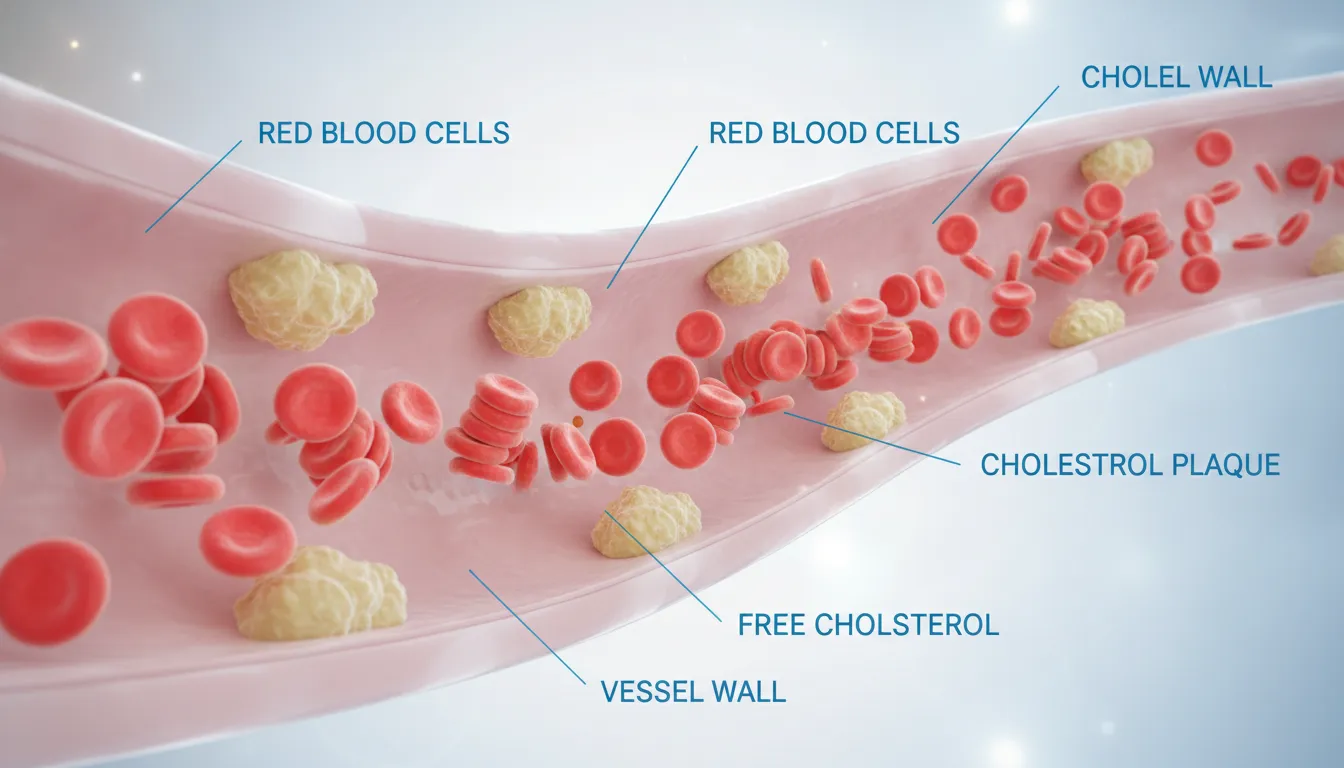
On the other hand, high-density lipoprotein, or HDL, is the “good” kind. It works like a cleanup crew for your blood. It picks up extra cholesterol and takes it back to your liver. From there, your body can flush it out of your system. High levels of HDL can help lower your risk of real heart problems. For better health, you need a balance that keeps your blood vessels clear and open.
Finding the best cholesterol levels
Many people think that lower is always better, but we aim for a clear goal. Experts say that the best total blood cholesterol level is 150 mg/dL. Reaching this mark helps protect your heart and your brain. If your levels stay too high for a long time, it can harm your heart health. We look at more than just the total number. We also check the root cause of why your levels might be out of range.
Knowing your numbers is the first step toward a long life. You can start by understanding your cholesterol lab results to see where you stand today. Our team helps you find the right path to lower your risks. We use comprehensive preventive medicine care to build a plan for you. This plan looks at your diet, how you move, and your stress levels.
Why the root cause matters
At NuGen Medicine, we do not just give out pills to hide a problem. We want to know why your body is making too much LDL or not enough HDL. It could be due to your diet, your gut health, or even how you sleep. By finding the true cause, we can help you make changes that last. If you are focused on understanding high cholesterol and how to lower your risks, we are here to help. Our goal is to give you the tools you need to stay well for a long time.
How Do You Read a Lipid Panel Test?
Reading a lipid panel test starts with assessing total cholesterol, LDL, HDL, and triglycerides. NuGen Medicine recommends aiming for an optimal total cholesterol level of 150 mg/dL. Understanding these numbers allows your healthcare provider to construct a personalized plan to prevent cardiovascular disease and support your long-term heart health.
A cholesterol check is a common blood test that doctors use to check your heart health. This test is also known as a lipid panel or a lipid profile. It measures the amount of fats, or lipids, in your blood. By understanding your cholesterol lab results, you can work with your care team to lower your risk for heart disease.
What does a lipid panel measure?
Your lipid panel tracks four main values. First, it looks at total cholesterol, which is a waxy substance your liver makes. While your body needs some cholesterol to build cells and hormones, having too much can be a problem. Second, the test measures LDL, often called “bad” cholesterol. High LDL levels can cause plaque to build up in your arteries, which may lead to a heart attack or stroke.
The test also checks HDL, the “good” cholesterol. HDL helps carry extra fat away from your arteries and back to the liver. Finally, doctors look at triglycerides. These are a type of fat your body uses for energy. If you eat more calories than you burn, your body stores the extra as triglycerides. High triglycerides, mixed with low HDL or high LDL, can raise your heart risks.
How to read your test results
Reading your lab report can feel hard, but the goals are simple. For most people, an optimal total blood cholesterol level is about 150 mg/dL. Dr. Nima Ghadimi is a board-certified physician who trained at the Mayo Clinic. He helps patients in Arizona, California, Florida, and Colorado read these lab results. He looks for the root cause of high levels to provide comprehensive preventive medicine care.
At NuGen Medicine, we guide you through every step of understanding high cholesterol how to lower your risks. High lipid levels, or hyperlipidemia, often need a mix of diet, exercise, and some medicine. Dr. Ghadimi works with you to build a plan that fits your life. Whether you need a virtual check or a visit in person, our goal is to help you stay healthy for years to come.
Primary Risk Factors and Root Causes of High Cholesterol
High cholesterol often comes from a mix of your habits and your health history. The foods you eat play a large role in your lipid levels. Diets high in saturated and trans fats can raise your blood cholesterol. While the FDA banned most trans fats in 2021, some processed foods still have them. Checking labels for partially hydrogenated oils is key for managing metabolic health and protecting your heart.
Common lifestyle triggers
Your daily activity level directly impacts how your body handles fats. A sedentary lifestyle often leads to weight gain, which can raise your “bad” cholesterol. Being overweight is linked to higher triglyceride levels and lower “good” cholesterol. Regular movement helps your body process these lipids well to keep your arteries clear.
Health habits like smoking also create big risks for your heart. Smoking damages your blood vessels and makes it easier for fatty deposits to build up. It may also lower your high-density lipoprotein (HDL) levels. Other conditions like type 2 diabetes can further lower good cholesterol and raise bad cholesterol, making it harder to stay in a healthy range.
Genetic factors and family history
Sometimes high cholesterol is not caused by lifestyle alone. Some people have a genetic condition called familial hypercholesterolemia (FH). This condition causes very high LDL levels that start at a young age. About 1 in 311 people globally have FH. In the United States, an estimated 1 million adults live with this condition.
Because FH is inherited, it often needs medical help like statins as well as a healthy diet. If a family member had a heart attack early in life, you should talk to a doctor about understanding your cholesterol lab results and screening your family. Early testing is the best way to catch genetic risks before they lead to heart disease.
The NuGen root cause approach
Standard care often focuses only on your latest lab numbers. At NuGen Medicine, we look deeper to find the root cause of your high cholesterol. Dr. Ghadimi uses his experience to build preventive cardiology support for heart health that fits your specific needs. We go beyond just writing a script to look at your full health picture, from your genes to your daily habits.
What Lifestyle Changes Lower Cholesterol Fast?
You can lower cholesterol fast by making targeted dietary changes, getting daily exercise, and quitting smoking. NuGen Medicine experts recommend aiming for 150 minutes of moderate physical activity per week and eliminating trans fats. These healthy habits help your liver clear bad LDL cholesterol while raising protective HDL levels naturally.
Changing how you live is the first step in caring for your heart health. At NuGen Medicine, we look for the root cause of your health issues. You can start with our high cholesterol care guide as a first step. Taking small, daily steps can help you lower your numbers without more pills. This approach puts you in control of your long term health.
Smarter food choices
What you eat plays a huge role in your blood fats. A diet high in saturated and trans fats can raise your bad cholesterol levels. Most of these bad fats come from animal products and fried foods. You should try to swap red meat for lean fish, poultry, or beans. Also, choose whole grains over white bread to add more fiber to your day. Fiber acts like a sponge that soaks up extra fats in your gut. These small changes help your liver work better and keep your blood flow smooth.

Daily exercise tips
Exercise helps your body clear out bad fats and boost good ones. If you are not active, you might gain weight, which makes your cholesterol go up. You do not need to run a marathon to see a change. Even a brisk walk for thirty minutes each day makes a big difference. It gets your heart rate up and keeps your vessels stretchy. Steady movement also helps check your weight and blood pressure. If you want to dive deeper into your data, try knowing your cholesterol lab results to track your wins over time.
Better habits for long life
Lowering your risk takes a full plan that covers all parts of your life. Beyond diet and exercise, your daily habits like drinking and smoking matter a lot. These choices can damage your blood vessels or change how your body handles fats. Small shifts in your routine can add up to big wins for your heart. For example, cutting back on drinks or setting a quit date for smoking can save your life. Our team at NuGen Medicine can help you build a plan that fits your busy life.
- Eat Heart-Healthy Fats: Focus on cutting out trans fats. You must check food labels for partially hydrogenated oil. Even if a label says 0 grams of trans fat, check the ingredient list to be sure it is safe.
- Increase Soluble Fiber: Choose foods rich in soluble fiber like oats, beans, Brussels sprouts, and pears. Soluble fiber acts like a sponge in your digestive tract, binding to cholesterol and helping your body flush it out before it enters your bloodstream.
- Move More and Stay Active: Exercise is a key tool for your heart. Try to get at least 30 minutes of brisk walking five days a week to see real results.
- Manage Excess Body Weight: Carrying extra weight, especially around the midsection, raises your “bad” LDL cholesterol and triglycerides. Losing even a few pounds through healthy habits can significantly improve your lipid profile.
- Limit Alcohol Intake: Too much drink can raise your blood pressure and fats. To help your heart, try not to drink more than 14 units of alcohol per week on a steady basis.
- Quit Smoking Today: This is one of the best things you can do for yourself. Smoking lowers your good cholesterol and damages your blood vessels, which leads to fat buildup in your arteries.
What Are the Best Statin Alternatives and Medical Treatments?
The best medical treatments and statin alternatives include ezetimibe, PCSK9 inhibitors, bile acid binders, and natural plant sterols. NuGen Medicine provides comprehensive, physician-led clinical management to evaluate which option fits your genetic profile. Particularly for inherited conditions like familial hypercholesterolemia that require clinical support alongside lifestyle changes.
Lifestyle changes are the base of heart health, but some people need more help to reach safe levels. This is often true for those with a genetic risk. About 1 in 311 people worldwide have familial hypercholesterolemia, a state that causes very high LDL levels from a young age. For these patients, and others at high risk, doctors use several types of medicine to lower blood fats.
Common medical treatments
Statins are the most common tool doctors use to lower bad cholesterol. They work by slowing how the liver makes cholesterol. While many people do well on these, some may need a different plan due to side effects or if their levels stay too high. NuGen Medicine provides comprehensive preventive medicine care to help you find the best path for your needs. We look at your full health history to guide your care.
When statins are not enough, doctors may add other drugs. Ezetimibe is a common choice that lowers how much cholesterol your body gets from food. For very high risk cases, newer shots like PCSK9 inhibitors can help the liver clear LDL from the blood. If you are understanding your cholesterol lab results, you can see how these tools might bring your numbers into a safe range.
Comparing treatment options
There are several ways to manage high cholesterol through medical care. Each choice has a different way of working and specific uses. A clear plan can help you reach the goal of an optimal total cholesterol level of 150 mg/dL. The table below compares the main types of medical care used today.
| Medication Type | How It Works | Typical Use Case | Main Considerations |
|---|---|---|---|
| Statins | Slows liver work | First tool used | Well known and studied |
| Ezetimibe | Blocks uptake | Used with statins | Easy on the body |
| PCSK9 Inhibitors | Helps clear LDL | High genetic risk | Given as a shot |
| Bile Acid Binders | Removes bile acids | Small LDL drop | Works in the gut |
| Natural Tools | Plant based blocks | Mild risk levels | Sterols or yeast rice |
Personalized care for long health
Every person has a different risk level. Some may find success with natural tools like plant sterols, which can block cholesterol uptake. Others with FH often need strong medical help in addition to diet and exercise. Our goal is to find the right mix of care to lower your risk of heart attack or stroke. By managing metabolic health with a doctor, you can build a plan for a long and healthy life.
How Does Preventive Cardiology Support Heart Health?
Preventive cardiology supports heart health by identifying cardiovascular risks and stopping arterial plaque buildup before serious complications occur. NuGen Medicine offers physician-led preventive care with same-week appointments. This proactive approach focuses on finding the root cause of high lipids rather than simply masking symptoms with medications.
Preventive cardiology focuses on finding heart risks before they lead to major health events. By understanding high cholesterol how to lower levels, you can take control of your heart health. Standard care often waits for a crisis. Comprehensive preventive medicine care looks at your unique risk profile now. This method helps stop plaque buildup in your arteries early.
Physician-led heart health care
Many large clinics use mid-level providers for routine checks. At NuGen Medicine, you work directly with Dr. Nima Ghadimi. He is a board-certified internal medicine physician who trained at the Mayo Clinic. This high level of expertise ensures your care plan is both safe and effective. You get a personalized strategy based on your lab work and history rather than a generic plan.
Personalized medicine means treating the person, not just the lab number. We look for the root cause of high levels. High levels of LDL cholesterol can lead to plaque buildup in your arteries, which increases the risk of heart disease. Dr. Ghadimi uses his deep clinical background to find why your levels are high and how to fix them for good.
Convenient access to expert care
Corporate healthcare can feel slow and fragmented. It often takes weeks to see a doctor. NuGen Medicine offers preventive cardiology support for heart health with same-week hybrid appointments. You can choose to see the doctor in person or use a video call. This flexible model fits your busy life without losing the quality of direct physician care.
Early action is the best tool for a healthy heart. Most people should aim for a total blood cholesterol of 150 mg/dL for the best health outcomes. By starting now, you avoid the limits of standard systems. You get the tools needed to manage your heart health on your own terms with expert help at every step.
Ready to take control of your cardiovascular health? Book your personalized consultation with Dr. Ghadimi today.
Frequently Asked Questions
What are the best ways to manage high cholesterol?
Manage high cholesterol with healthy habits and medical care. Aim for 150 minutes of moderate exercise each week to help your heart. You should also eat fewer trans fats and saturated fats. Some people have a family trait that causes high levels. These people often need medicine like statins along with daily changes to stay safe. Regular blood tests called lipid panels help track your progress over time.
What foods can lower cholesterol naturally?
To lower your levels, choose foods low in saturated and trans fats. Experts from the CDC suggest eating as little dietary cholesterol as possible. This means limiting animal products like red meat, eggs, and full-fat dairy. Instead, focus on plant-based options. Always check labels for partially hydrogenated oils. You should do this even if the package says it has zero grams of trans fat.
How to reduce cholesterol in 30 days?
You can see changes in about a month by staying active and changing your diet. According to the Mayo Clinic, brisk walking for 30 minutes five days a week can improve your numbers. Quitting smoking also helps because it prevents damage to your blood vessels. For many people, these steps are enough to reach a healthy total cholesterol level of 150 mg/dL.
Is it possible to reduce cholesterol in 7 days?
It is rare to see a large drop in just one week. While healthy habits start working right away, most people need more time to show clear results on a test. Consistent work over many weeks leads to better heart health. If your levels stay high after making changes, talk to a doctor. You might have a family trait that needs medical help to manage.
Ready to find the root cause of your high cholesterol?
High cholesterol puts stress on your heart and can lead to a serious heart attack or stroke if you do not act soon. The risk grows every day you wait, but starting a plan now can show real results in your lab work in just a few months. This step helps you avoid more health problems and shows how our preventive cardiology support for heart health can help you stay safe.
You can find the right path for your health with the help of a board certified doctor. It is time to take control of your wellness. Ready to book? Contact our clinic today to schedule a comprehensive preventive cardiology consultation with Dr. Ghadimi.
Leave a Reply