


Signs You May Have a Gut Health Problem (and What to Do)
Gut health problems often show up as more than just bloating or an upset stomach. Persistent digestive discomfort, brain fog, fatigue, skin flare-ups, and unexplained weight changes can all point to an underlying issue with the gut microbiome, intestinal lining, or digestive function. The challenge is that many of these symptoms get dismissed as stress, aging, or a “sensitive stomach” until they start affecting daily life.
Concerned about gut symptoms that won’t resolve? Schedule a consultation with NuGen Medicine for a personalized evaluation in Scottsdale or via telehealth in Arizona, California, Florida, and Colorado.
This guide walks through the most common warning signs of poor gut health, what may be driving them, when to see a doctor, and what an evidence-based, root-cause approach to treatment actually looks like. The goal is to help you recognize patterns early and make informed decisions about your next step.
What Is Gut Health and Why Does It Matter?
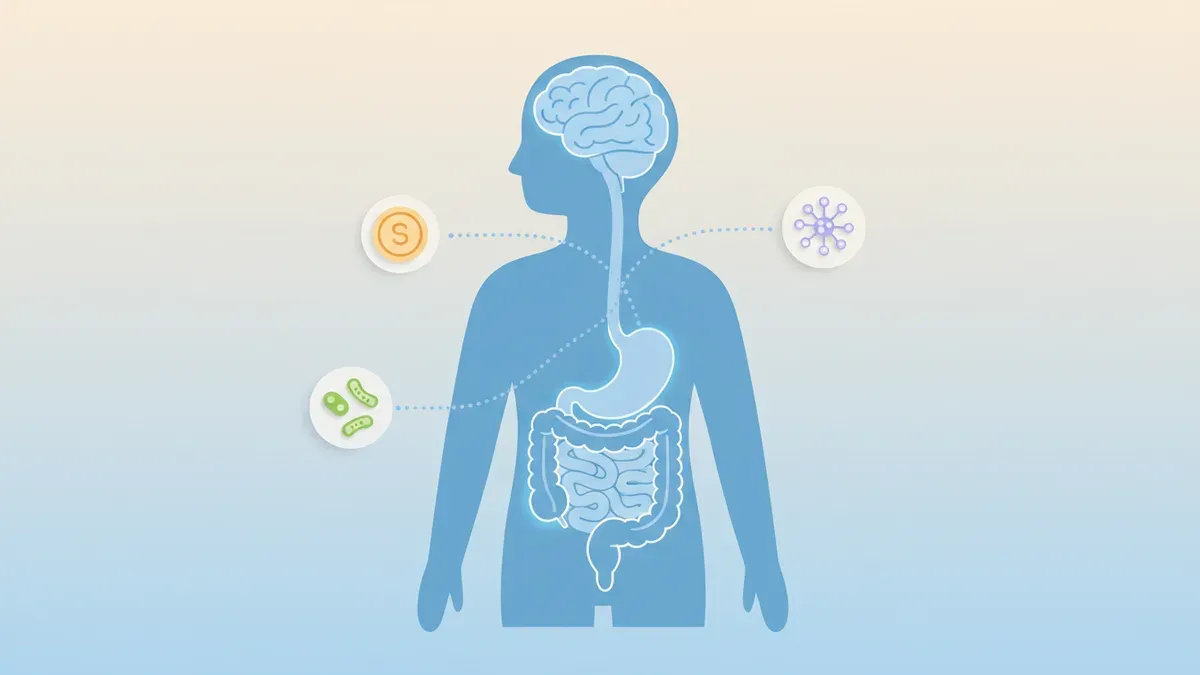
“Gut health” describes how well the digestive tract performs three jobs: breaking down food, absorbing nutrients, and acting as a barrier between the outside world and the bloodstream. It also covers the trillions of microbes that live in the intestines (the gut microbiome) and the constant communication between the gut, the brain, the immune system, and the hormonal system.
When all of this is working well, you digest food without discomfort, eliminate regularly, absorb nutrients efficiently, fight off infections, and feel mentally clear. When something is off, the effects often reach far beyond digestion. Roughly 70% of the immune system lives in or near the gut, and the gut produces the majority of the body’s serotonin, the neurotransmitter that influences mood and sleep. That is why gut problems frequently show up first as fatigue, anxiety, skin issues, or stubborn weight changes rather than as obvious stomach pain.
7 Warning Signs Your Gut Needs Attention
One symptom on its own is rarely a reason to worry. A pattern of two or more, lasting more than a few weeks, usually is. The signs below are the most common gut-related complaints we see in clinic.
1. Chronic Bloating, Gas, or Abdominal Distension
Occasional bloating after a heavy meal is normal. Bloating that worsens through the day, makes clothes feel tighter by evening, or appears after foods you previously tolerated is not. Persistent bloating is one of the most common signs of small intestinal bacterial overgrowth (SIBO), low stomach acid, or an imbalance between beneficial and opportunistic bacteria.
2. Irregular Bowel Habits
Healthy elimination usually means one to three formed bowel movements per day, easy to pass, with no urgency or straining. Watch for chronic constipation, frequent diarrhea, alternating patterns, mucus in stool, undigested food, or stools that are very pale, very dark, or floating. Any of these can point to a digestive enzyme issue, a microbiome imbalance, an inflammatory condition, or a food sensitivity.
3. Persistent Fatigue and Brain Fog
If you sleep enough but still feel drained, or if mental clarity has dropped without a clear reason, the gut deserves attention. Inflammation in the digestive tract impairs the absorption of B vitamins, iron, magnesium, and other nutrients the brain depends on. The gut-brain axis also means microbial imbalance can directly affect cognition and energy. Fatigue has many causes, so it is worth ruling out overlapping issues like thyroid problems as well.
4. New or Worsening Food Sensitivities
Reactions to foods you used to eat without trouble (dairy, gluten, eggs, FODMAPs) often signal increased intestinal permeability, sometimes called “leaky gut.” When the intestinal lining becomes more permeable than it should be, partially digested food particles can trigger immune responses that show up as bloating, headaches, joint pain, or skin reactions hours after eating.
5. Skin Conditions That Won’t Clear Up
Adult acne, eczema, rosacea, and unexplained rashes often have a digestive component. The gut and the skin share immune and inflammatory pathways. When the gut is inflamed, the skin tends to follow. Patients who have tried multiple topical treatments without success frequently improve once the underlying gut issue is addressed.
6. Mood Changes, Anxiety, or Low Mood
Because the gut produces most of the body’s serotonin and is in constant communication with the brain through the vagus nerve, gut imbalance can directly affect emotional regulation. New or worsening anxiety, irritability, low mood, or sleep disturbance, especially alongside digestive symptoms, may be a gut-driven problem rather than a purely psychological one.
7. Unexplained Weight Changes or Stalled Weight Loss
The microbiome influences how the body extracts and stores calories, regulates blood sugar, and signals hunger and fullness. An unhealthy gut can drive sugar cravings, slow metabolism, and make weight loss feel impossible despite careful eating. For patients addressing both gut and weight together, a structured medical program such as our GLP-1 weight loss program works alongside gut restoration to support sustainable results.
Recognize two or more of these signs in yourself? Book an evaluation with NuGen Medicine to investigate the cause rather than chase symptoms.
Symptoms Beyond Digestion: How Your Gut Affects the Whole Body
Gut problems rarely stay in the gut. The intestinal lining is a barrier, an immune organ, and a hormone-processing site, so dysfunction tends to ripple outward. Patients are often surprised to learn that the symptoms they assumed were unrelated may share a common digestive root.
- Joint pain and stiffness: Systemic inflammation from a leaky gut can settle in joints and tendons.
- Frequent colds and infections: A weakened gut barrier reduces immune resilience.
- Hormonal imbalance: The gut helps clear used estrogens; dysbiosis can contribute to estrogen dominance and worsening PMS or perimenopause symptoms.
- Headaches or migraines: Often linked to histamine intolerance, food sensitivities, or microbial imbalance.
- Iron, B12, or vitamin D deficiency: Impaired absorption is a common but overlooked cause of “stubborn” lab results.
- Autoimmune flare-ups: Conditions like Hashimoto’s, psoriasis, and rheumatoid arthritis are increasingly linked to gut barrier dysfunction.
None of this means every chronic symptom is a gut problem. It does mean the gut should be on the list when symptoms cross multiple body systems and standard workups have not produced clear answers.
What Causes Gut Health Problems in the First Place?
Gut health problems develop when repeated stressors damage the intestinal lining, disrupt the microbiome, or impair digestive function. The causes are rarely a single event; most patients have several factors stacked on top of each other over months or years. The most common contributors we see in clinic include:
- Diet: High intake of ultra-processed foods, added sugars, seed oils, and emulsifiers; low intake of fiber and fermented foods.
- Antibiotic exposure: Repeated or recent courses can wipe out beneficial bacteria for months or longer.
- Long-term medications: Proton pump inhibitors (PPIs), NSAIDs, and certain birth control formulations can affect the microbiome and gut lining.
- Chronic stress: Elevated cortisol slows digestion, weakens the gut barrier, and shifts microbial balance.
- Infections: A bout of food poisoning, parasitic infection, or a viral GI illness can trigger ongoing dysfunction (post-infectious IBS).
- Alcohol and poor sleep: Both disrupt the microbiome and reduce intestinal barrier integrity.
- Environmental exposures: Glyphosate, mold, and certain heavy metals can affect gut bacteria and the gut lining.
Most patients have several of these factors stacked on top of each other. Identifying which ones are most relevant, and in what order to address them, is where a proper clinical evaluation matters.
How Do I Know If My Gut Is Unhealthy? A Functional Medicine Perspective
Standard primary care often screens for serious disease (colon cancer, celiac, inflammatory bowel disease) and stops there. If those tests are normal, patients are frequently told their gut is “fine” even when symptoms persist. A functional medicine, root-cause approach looks further. It asks not only “is there disease?” but “is the gut functioning at its best?”
That perspective looks at three pillars: the microbiome (which bacteria, yeast, and parasites are present and in what balance), the gut lining (is it intact or showing signs of permeability), and the digestive process itself (stomach acid, enzymes, bile, motility). When one or more pillars are off, symptoms appear long before any conventional diagnosis would.
Lab Tests That Reveal Hidden Gut Problems
Beyond a standard physical exam and basic labs, there are several tests we use at NuGen to get a clear picture of what is happening in the digestive tract. The right combination depends on your symptoms, history, and goals.
| Test | What It Looks At | When It Helps |
|---|---|---|
| Comprehensive stool analysis (e.g., GI-MAP) | Beneficial and pathogenic bacteria, parasites, yeast, inflammation markers, digestion markers | Chronic bloating, irregular stools, suspected dysbiosis or infection |
| SIBO breath test | Hydrogen and methane gas patterns from small intestinal bacterial overgrowth | Bloating that worsens through the day, post-meal distension, IBS-like symptoms |
| Food sensitivity panel | IgG and IgA reactions to common foods | Suspected leaky gut, skin issues, headaches after eating |
| Organic acids test | Markers of yeast and bacterial overgrowth, mitochondrial function, nutrient status | Fatigue, brain fog, mood changes alongside gut symptoms |
| Targeted blood work | Inflammation, nutrient deficiencies, celiac antibodies, thyroid panel | Most patients, as a baseline alongside specialty testing |
For a deeper breakdown of what each test reveals and how to choose, see our gut health testing guide. These tests are not always necessary, but they often give the kind of specific answers that change a treatment plan.
When Should You See a Doctor About Gut Symptoms?
Some gut symptoms can be managed with diet and lifestyle changes. Others need a clinical evaluation, and a few warrant urgent attention. Use the guidance below as a starting point, not a substitute for medical advice.
See a doctor soon if you have any of the following:
- Digestive symptoms lasting more than three to four weeks without improvement
- Unintended weight loss
- Persistent abdominal pain, especially at night
- New or worsening symptoms after age 45
- Family history of colon cancer, inflammatory bowel disease, or celiac disease
- Symptoms interfering with sleep, work, or daily routine
Seek urgent or emergency care for:
- Blood in the stool or black, tarry stools
- Severe, sudden abdominal pain
- Persistent vomiting, especially with blood
- Signs of dehydration from prolonged diarrhea
- Difficulty swallowing or food getting stuck
For ongoing or recurring digestive concerns, our chronic care management program offers continuous support, monitoring, and coordinated care between visits. Routine preventive health screenings by age also help catch gut-related conditions early, before symptoms become advanced.
What to Do If You Suspect a Gut Health Problem
If you recognize several of the warning signs above, a structured next step is more useful than another round of online searches. Here is the path we recommend to patients who reach out for the first time.
- Track your symptoms for two weeks. Note timing, foods, stress levels, sleep, bowel patterns, and any other body-wide symptoms. Patterns are easier to see on paper than in memory.
- Make a few baseline changes. Reduce ultra-processed foods and added sugars, drink more water, add fiber from vegetables and legumes, and prioritize seven to eight hours of sleep. Some symptoms ease with these alone.
- Avoid self-treating with long-term supplements. Probiotics, digestive enzymes, and herbal antimicrobials all have a place, but using them blindly can mask symptoms or worsen specific conditions like SIBO.
- Schedule a clinical evaluation. A physician can review your history, order targeted testing, and build a treatment plan based on what is actually driving symptoms rather than guessing.
- Follow a personalized protocol. Real treatment usually combines diet adjustments, targeted supplements, removal of pathogens or overgrowth when present, gut-lining repair, and ongoing monitoring.
How NuGen Medicine Treats Gut Health Problems at the Root
At NuGen Medicine, gut health is part of a broader, integrative medicine approach led by Dr. Nima Ghadimi, a board-certified internal medicine physician with more than 20 years of clinical experience. Patients can be seen in person at our Scottsdale clinic or virtually across Arizona, California, Florida, and Colorado.
A typical gut health evaluation includes a detailed history, physical exam, baseline labs, and targeted functional testing when indicated. From there, treatment is built around the specific findings. That may involve a phased dietary protocol (such as low-FODMAP or an elimination approach), targeted antimicrobial therapy for overgrowth, gut-lining support, microbiome rebuilding with specific probiotic strains, and address of contributing factors like stress, sleep, and medications. Follow-up visits track symptoms, adjust the plan, and confirm that improvements hold over time.
The goal is not to silence symptoms with another prescription. It is to identify what is driving them, fix it where possible, and give patients the tools to keep their gut working well long term.
Frequently Asked Questions
What does a damaged gut feel like?
A damaged or inflamed gut typically feels like persistent bloating, irregular bowel habits, food sensitivities, and abdominal discomfort that does not match what you ate. It often comes with non-digestive symptoms such as fatigue, brain fog, skin issues, mood changes, or stalled weight loss because the gut affects the immune, nervous, and hormonal systems.
How do I know if my gut is unhealthy?
Common signs include chronic bloating or gas, irregular bowel habits, new food sensitivities, skin flare-ups, persistent fatigue, mood changes, and unexplained weight changes. If two or more of these have lasted more than a few weeks, a clinical evaluation is the most reliable way to confirm whether the gut is the cause.
What are the most common causes of gut health problems?
Diets high in ultra-processed foods and low in fiber, repeated antibiotic use, long-term medications such as PPIs and NSAIDs, chronic stress, poor sleep, alcohol, and infections like food poisoning are the most frequent contributors. Most patients have several of these factors stacked together.
Can gut problems cause anxiety or depression?
Yes. The gut produces most of the body’s serotonin and communicates with the brain through the vagus nerve. Microbial imbalance and gut inflammation can contribute to anxiety, low mood, irritability, and sleep problems, often alongside digestive symptoms.
How long does it take to heal the gut?
Most patients feel meaningful improvement within four to eight weeks of a targeted plan, with deeper microbiome and lining repair continuing over three to six months. The exact timeline depends on the underlying cause, how long symptoms have been present, and how consistent the patient is with the plan.
Do I need lab testing or can I just change my diet?
Mild, recent symptoms often respond to diet, sleep, and stress changes alone. Persistent or severe symptoms, especially those affecting other body systems, usually benefit from targeted testing so the plan addresses the actual cause rather than a guess.
Take the Next Step Toward a Healthier Gut
Gut health problems rarely resolve on their own and usually get harder to untangle the longer they persist. The good news is that with the right evaluation and a personalized plan, most patients see meaningful improvement in a matter of weeks.
Ready for answers? Schedule a consultation with NuGen Medicine for in-person care in Scottsdale or telehealth across Arizona, California, Florida, and Colorado. We will help you understand what is driving your symptoms and build a plan that addresses the root cause.
Leave a Reply