


Arizona allergy symptoms can outlast spring because pollen shifts with the desert seasons. Tree pollen, grasses, and weeds can keep sneezing, congestion, and itchy eyes in rotation.
Schedule a personalized allergy visit at NuGen Medicine
Seasonal allergies in Arizona are pollen reactions that can flare across much of the year, not only during a short spring window. Plants commonly release tree pollen in spring, grass pollen in summer, and weed pollen in fall, while dry, windy conditions may keep irritants airborne. Sneezing, congestion, coughing, and itchy eyes can occur when your immune system reacts to plant pollen, according to the National Center for Complementary and Integrative Health. In Arizona, the practical issue is timing: symptoms may return as different plants pollinate, even after one season appears to settle. Tracking symptom patterns and discussing persistent problems with a clinician can help guide treatment choices that fit your exposures and health history.
Why can symptoms linger when the calendar says one allergy season should be over? In Seasonal allergies in Arizona: what makes them different, we will connect local pollen timing with common symptom patterns and practical care decisions. The path begins with
Seasonal allergies in Arizona: what makes them different
NuGen Medicine explains seasonal allergies in Arizona as a year-round pattern shaped by desert pollen, wind, landscaping, and personal exposure. Symptoms may flare as trees, grasses, and weeds pollinate at different times. A symptom calendar and personalized care plan can matter more than one springtime assumption.
Seasonal allergies in Arizona do not always follow one short spring pattern. Pollen can shift as trees, grasses, and weeds release it through different parts of the year. The National Institute of Environmental Health Sciences describes this sequence: trees in spring, grasses in summer, and weeds in fall.
In a desert state, those waves may feel close together. A resident can notice symptoms in one season, improve, then react again when another type of pollen is present. This makes a symptom calendar more useful than assuming allergies are only a spring issue.
Desert air and pollen movement
A desert setting does not mean pollen-free air. Dry conditions and windy days can keep outdoor irritants in motion, so exposure may change from morning to evening. Heat waves and thunderstorms have been associated with allergic asthma outbreaks in people affected by pollen allergy.
Location matters, too. Research in a desert urban environment found variation in airborne pollen levels across monitoring sites. This helps explain why symptoms may flare after a commute, outdoor exercise, or time in a different neighborhood.
Urban landscapes and a longer exposure window
Urban landscaping is part of a practical allergy history in Arizona. A clinician may ask about exposure near planted yards, parks, golf courses, work sites, and walking routes. Those details can show whether symptoms follow a place, an activity, or a seasonal shift.
The pattern may also be persistent, not dramatic. Mild congestion, sneezing, or itchy eyes can return often enough to disrupt sleep or concentration. Patients may miss the link when exposure changes through daily routines, travel across town, or time spent outdoors.
- Note when symptoms begin, improve, or return during the year.
- Record windy days, outdoor activity, and places linked with a flare.
- Bring medication use and symptom response to a clinical visit.
A personalized clinical lens
The same outdoor setting does not affect every patient in the same way. One person may have brief nasal symptoms, while another has ongoing concerns that need medical review. An evidence-based visit looks at timing, triggers, health history, current medicines, and treatment response.
NuGen uses that individual pattern to inform care, instead of relying on a season alone. Residents exploring Scottsdale allergy treatment guide can review how Scottsdale care relates to their symptoms. If symptoms persist or affect breathing, medical assessment can help guide next steps.
When is allergy season in Arizona?
NuGen Medicine advises Arizona residents to think of allergy season as a shifting cycle rather than one fixed month. Trees, grasses, and weeds can release pollen across different seasons, while weather and location can change daily exposure. Tracking timing helps connect symptoms with practical next steps.
Seasonal allergies in Arizona do not always follow a short, simple window. Symptoms may change across the year as outdoor exposures change. The National Institute of Environmental Health Sciences describes a broad pattern. Trees produce pollen in spring, grasses in summer, and weeds in fall.
Seasonal pollen patterns
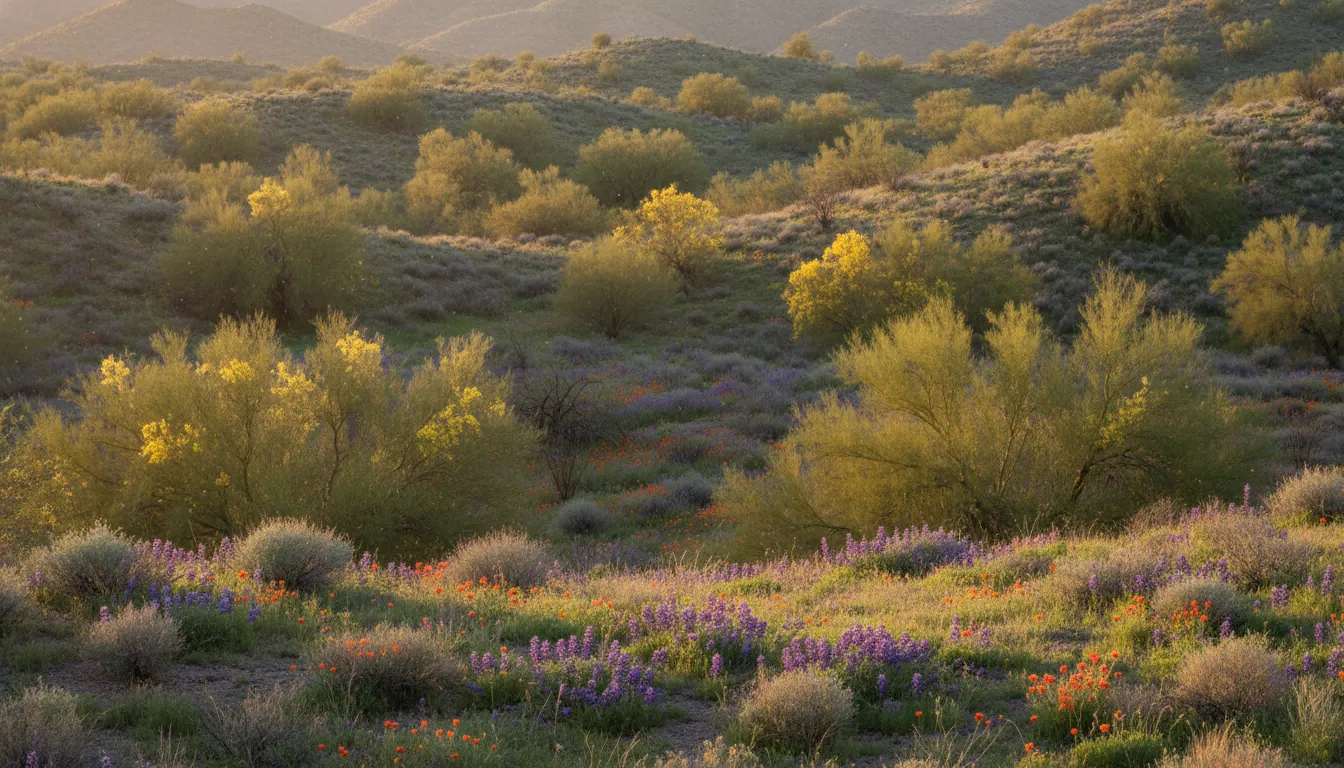
Spring is often the time to watch for tree pollen. In Arizona, common local examples include mesquite, mulberry, olive, and palo verde. If yard work or windy days bring symptoms, note the timing. That simple record may help guide a more focused care discussion.
Summer can bring grass pollen concerns. Monsoon storms may also change daily exposure and symptom timing. Thunderstorms and heat waves have been linked with allergic asthma outbreaks in people with pollen allergy. Anyone with asthma should take new or worse breathing symptoms seriously.
Fall commonly shifts attention to weeds, especially ragweed and Russian thistle. Many people also know Russian thistle as tumbleweed. Winter may have fewer clear pollen peaks. Still, dry air, dust, wind, and indoor irritants can bother the nose and eyes.
| Season | Common triggers | Prep step |
|---|---|---|
| Spring | Mesquite, mulberry, olive, and palo verde tree pollen. | Note symptoms after outdoor time and windy days. |
| Summer | Grass pollen and monsoon weather shifts. | Watch breathing symptoms during stormy periods. |
| Fall | Ragweed and Russian thistle, or tumbleweed. | Plan ahead if weeds caused past flares. |
| Winter | Dry air, wind, dust, and indoor irritants. | Track indoor and outdoor symptom patterns. |
Why location and weather matter
An Arizona calendar is a guide, not a diagnosis. A person’s strongest trigger may differ by home, worksite, or travel route. Desert urban pollen research found that airborne pollen levels can vary across monitoring locations. This means two people nearby may notice different symptom days.
Keep a short log during the months when symptoms tend to start. Record sneezing, congestion, itching, cough, outdoor time, wind, storms, and medicines used. Bring that log to a visit if symptoms keep returning. It may connect symptoms with timing, place, and weather.
Preparing for your peak season
Start planning before the season that has caused trouble in past years. Check your notes and discuss safe treatment choices with a clinician. Patients seeking local care can review NuGen’s guide to personalized allergy care in Scottsdale. It gives Scottsdale-specific context without replacing a medical visit.
Seek medical advice sooner if symptoms disrupt sleep or work. Do the same if you have wheezing or shortness of breath. Allergy symptoms can overlap with other health issues. A clinical review can help clarify the next step for recurring concerns.
What are the most common Arizona allergy triggers?
NuGen Medicine sees Arizona allergy triggers as a mix of plant pollen, desert weather, indoor irritants, and daily routines. Tree, grass, and weed pollen often drive seasonal symptoms, but dust, wind, landscaping, pets, and home air quality can make reactions feel more persistent.
Seasonal pollen sources
Seasonal allergies in Arizona often begin with plant pollen. The National Institute of Environmental Health Sciences notes that tree pollen appears in spring. Grass pollen is common in summer, while weed pollen is common in fall. Arizona’s plant mix gives this pattern a local character.
Spring tree pollen may come from mesquite, mulberry, olive, and palo verde. During warmer months, Bermuda grass may matter for people who react to grass pollen. Fall can bring ragweed, Russian thistle, also called tumbleweed, and sagebrush. A person may notice one season most, or respond to several plant groups.
This is why a general pollen forecast is only a starting point. A patient’s own pattern may be tied to a plant near home, work, school, or an outdoor exercise route. Tracking the place and season of symptoms can make a medical visit more useful.
Dust, moisture, pets, and air quality
Plants are not the only exposures worth watching. Wind can carry dust and pollen through neighborhoods and into open windows. Some people also notice more nose, eye, or breathing symptoms when air pollution is present. These exposures can overlap on the same dry, windy day.
Monsoon moisture may change the symptom pattern. After rain, patients may want to note damp indoor areas or signs of mold. Animal dander can also be an indoor concern throughout the year. Pets do not follow a pollen season, so symptoms at home may need a closer look.
- Plant pollen: mesquite, mulberry, olive, palo verde, Bermuda grass, ragweed, Russian thistle, and sagebrush.
- Outdoor conditions: blowing dust, wind, monsoon moisture, and pollution.
- Indoor exposures: damp areas, possible mold, and animal dander.
Why symptoms vary
A list of common triggers is useful, but it is not a diagnosis. One person may sneeze after spring winds. Another may struggle around fall weeds, pets, or damp spaces after rain. Seasonal allergy symptoms can include congestion, sneezing, a runny nose, itchy eyes, cough, or throat irritation.
Keep a brief record of season, wind, recent rain, pets, outdoor time, and symptoms. This record can help guide a discussion about the cause and next steps. Readers seeking local care can review Arizona allergy treatment guidance before planning a visit.
How can you tell allergies from a cold or sinus infection?
NuGen Medicine recommends comparing timing, triggers, symptom duration, and whole-body signs when congestion or sneezing begins. Allergies often repeat with exposure and cause itchy eyes or clear drainage, while colds and sinus infections may bring different symptoms that deserve clinical review when persistent.
Allergies, colds, and sinus infections can all make your nose feel blocked or runny. The timing, triggers, and added symptoms can help you describe the problem. They cannot confirm a diagnosis on their own.
Symptom patterns to track
Seasonal allergies often cause sneezing, congestion, and itching in the eyes, nose, mouth, or throat. These symptoms are listed in the National Center for Complementary and Integrative Health allergy overview. Itching is a useful detail to record when you discuss symptoms with a clinician.
In contrast, a cold may begin after an illness exposure and include a sore throat or a general sick feeling. Sinus symptoms may include pressure or pain around the face. Because these patterns overlap, a symptom log is more useful than guessing from one sign.
- Note whether sneezing or itchy eyes flare after time outdoors, yard work, dust, or wind.
- Track fever, facial pain, thick drainage, cough, wheezing, and how long symptoms last.
- Write down medicines you tried, the dose, and whether they gave enough relief.
With seasonal allergies in Arizona, the same person may notice different triggers in different places. Research on desert urban airborne pollen found variation across monitoring sites. This supports tracking where symptoms happen, not only the month or season.
When to schedule care
Schedule a clinician visit if symptoms are not improving or over-the-counter medicines are not enough. Seek care for fever or severe facial pain, since those signs need medical review. A visit can help sort out allergy symptoms from an infection or another cause.
Wheezing or shortness of breath also needs prompt attention. Breathing trouble should not be managed by trial and error at home. If breathing is severe, sudden, or worsening, seek urgent medical help.
A clinician can review your symptom pattern, health history, and medicine use. If travel makes an office visit hard, a virtual consultation for allergy management can be a practical starting point. In-person assessment may still be advised based on your symptoms.
How to manage seasonal allergies in Arizona day to day
NuGen Medicine encourages a daily allergy plan that lowers pollen exposure, tracks symptoms, and uses treatment consistently when appropriate. Simple steps like checking pollen conditions, changing after outdoor time, rinsing off before bed, and discussing medication response can make Arizona allergy season more manageable.
A daily plan for pollen exposure
Managing seasonal allergies in Arizona starts with a short routine you can repeat. Pollen exposure can change from one part of a desert city to another, as reported in a desert urban pollen study. A daily plan can lower the amount of pollen you bring indoors.
Check the local pollen report before work, exercise, errands, or yard care. On a windy or high-pollen day, keep windows closed when possible. Use indoor air filtration, and set outdoor plans for a time when symptoms are less likely to interrupt the day.
-
Check the day’s pollen count and weather forecast before spending long periods outside.
-
Close home and car windows on windy days. Run an air conditioner or HEPA air cleaner indoors, if available.
-
After outdoor time, change clothes and shower when practical. This helps keep pollen from your bed and living areas.
-
Use a saline rinse only as directed. Use sterile, distilled, or properly prepared water for any nasal rinse.
-
Keep water nearby, especially in dry weather. Note when congestion, itching, sneezing, or cough affects sleep or daily tasks.
-
Ask a clinician when to start or adjust allergy medicine. Discuss symptoms before combining treatments or using them for long stretches.
Relief options to discuss with a clinician
Some relief choices work best when planned before symptoms disrupt your schedule. The National Center for Complementary and Integrative Health says sinus rinsing may help alongside standard care for allergic rhinitis. A clinician can help you decide whether rinsing is suitable for you.
Ask whether an antihistamine or a nasal steroid spray fits your symptoms and health history. Your visit is also a good time to review medicine timing, safe use, and side effects. Bring notes about triggers, time outdoors, sleep changes, and treatments you tried.
Hydration will not remove pollen, but it can be part of a steady comfort routine in Arizona’s dry air. Keep water with you and pause outdoor activity if symptoms make breathing or daily function harder. Urgent breathing trouble needs prompt medical care, not a routine allergy check.
When an appointment can help
Book a medical visit when symptoms keep returning, interrupt sleep, affect work, or do not improve with your current plan. A visit can separate likely seasonal triggers from other causes of congestion, cough, or irritated eyes.
NuGen Medicine offers in-person and virtual care for patients who need a personal plan. A virtual consultation for allergy management can be a practical first step. It can help when travel or a busy schedule makes an office visit difficult.

When should you talk with a doctor about Arizona allergies?
NuGen Medicine recommends medical guidance when allergy symptoms disrupt sleep, work, exercise, breathing comfort, or quality of life. A clinician can review your pattern, rule out overlapping concerns, adjust treatment safely, and help decide whether testing or a more personalized plan is needed.
Signs that self-care is not enough
Mild seasonal allergies in Arizona may improve with a basic home care plan. Talk with a doctor when symptoms disrupt sleep, work, exercise, or time outdoors. A visit is also useful when your usual relief plan no longer seems to help.
Notice which symptoms persist and when they occur. The National Center for Complementary and Integrative Health lists sneezing, coughing, stuffiness, and itching as common seasonal allergy symptoms. Share those details with your doctor, along with any pattern you have noticed.
Bring the names of any allergy medicines, nasal sprays, supplements, or rinses you use. Include how often you use them and whether they help. This helps a clinician review your current approach without guessing what has already been tried.
Symptoms that call for a broader review
Seasonal symptoms may need added attention if you also manage asthma or another chronic respiratory concern. A doctor can review whether cough or breathing symptoms appear with allergy flare-ups. That review may show where your allergy plan and respiratory care need to work together.
NuGen Medicine provides asthma and allergy review, medication optimization, and chronic respiratory management. Your visit can focus on symptom timing, exposure patterns, current medicines, and prevention steps. The aim is a plan that fits your health history and your daily routine.
Do not assume every long-lasting nose or breathing symptom comes from pollen alone. A clinician can review the full pattern and decide what next steps fit your needs. This can be useful when symptoms change, return often, or seem linked to more than one trigger.
Same-week options for a personal plan
NuGen Medicine offers same-week appointments for seasonal allergy concerns through virtual or in-person care. A visit can cover medication use, asthma history, likely environmental triggers, and steps to help prevent repeat flare-ups. You can choose the setting that fits your needs and symptoms.
For care from home, learn more about NuGen’s virtual doctor visits. A virtual visit may fit a medication review or a follow-up conversation about recurring symptoms. An in-person visit may be chosen when a physical exam is part of the planned review.
New patients can prepare by listing symptoms, timing, current medicines, and past breathing concerns. NuGen’s guide to discussing seasonal allergies with your doctor can help you plan that first conversation. A clear history helps your care team shape a personal prevention and follow-up plan.
Can moving to Arizona change your allergy symptoms?
NuGen Medicine notes that moving to Arizona can change allergy symptoms because new plants, neighborhoods, weather patterns, and indoor environments alter exposure. Some people feel better at first, while others develop new or recurring symptoms after repeated contact with local pollen and irritants.
Moving to Arizona can change when, where, and how strongly allergy symptoms show up. Seasonal allergies happen when the immune system reacts to plant pollen. A new resident may meet different plants at home, work, or along a daily commute. A seasonal visitor may notice trouble only during part of each stay.
New surroundings, new patterns
A move does not mean that symptoms will get better or worse for every person. It changes the mix of outdoor exposures around you. A landscaped neighborhood, nearby greenbelt, or rental home garden may line up with sneezing, congestion, or itchy eyes.
Location can matter even within a desert city. A desert urban study found that airborne pollen concentrations varied across monitoring locations. Dust can irritate the nose and throat, making the source of symptoms less clear. Notice whether symptoms rise after windy days, yard work, walks, or open-window time.
A simple symptom record
If seasonal allergies in Arizona seem different after a move, start with a short symptom log. Track where you were, what you were doing, and whether symptoms appeared indoors or outdoors. Include travel dates if you spend only part of the year in Arizona. These notes help show a repeat pattern rather than one difficult day.
- Record sneezing, itchy eyes, congestion, cough, or sleep disruption.
- Note dust exposure, yard work, wind, outdoor exercise, and open windows.
- List allergy medicines used and whether they seemed to help.
- Bring notes to a visit if symptoms affect work, sleep, or daily plans.
A record is useful for long-term residents who notice a shift. New landscaping near home or work may change exposure. Time outdoors may change after a job move, a new exercise route, or new housing.
Care based on your timing
Your symptom timing can guide a focused conversation with a clinician. A visitor with problems during one season may need a different plan from a year-round resident. Someone new to Scottsdale can review NuGen Medicine allergy care options before a visit.
Seek medical guidance when symptoms persist, disrupt sleep, or make breathing concerns hard to sort out. A clinician can review the pattern, your health history, and safe treatment choices. This is better than assuming desert living will solve, or cause, every allergy problem.
Book allergy care with NuGen Medicine before your next Arizona pollen flare.
Frequently Asked Questions
NuGen Medicine answers common questions about seasonal allergies in Arizona by focusing on timing, triggers, symptom patterns, and when to seek care. These brief answers help readers understand why symptoms may persist, how Arizona differs from other regions, and what information to bring to a visit.
When is allergy season in Arizona?
Seasonal allergies in Arizona can flare during much of the year because different plants release pollen at different times. Trees commonly contribute pollen in spring, grasses in summer, and weeds in fall, a pattern described by the National Institute of Environmental Health Sciences. Local weather and pollen counts can change the timing and intensity of symptoms.
Why are seasonal allergies so bad in Arizona?
Arizona’s dry conditions and wind can keep pollen airborne and move it across neighborhoods. The mix of desert landscaping, native plants, grasses, and weeds also means triggers may change by season. Research in a desert urban environment found that airborne pollen levels can vary among monitoring locations, according to a published pollen study. Symptoms can therefore differ across nearby areas.
How can I manage seasonal allergies in Arizona?
Start by watching local pollen reports and limiting outdoor exposure on high-pollen or windy days. Keep windows closed during symptom flares and consider filtering indoor air. For symptom treatment, the National Institute of Environmental Health Sciences notes that common antihistamines and nasal steroid sprays can reduce hay fever symptoms. A clinician can help if symptoms continue or affect breathing.
Can people develop new allergies after moving to Arizona?
Yes. A move to Arizona can bring exposure to unfamiliar trees, grasses, weeds, and local pollen patterns. Allergic rhinitis occurs when the immune system reacts to plant pollen, as explained by the National Center for Complementary and Integrative Health. Symptoms that begin after a move may be seasonal allergies, but persistent or severe symptoms should be evaluated by a clinician.
Ready to take control of Arizona allergy season?
NuGen Medicine helps patients turn recurring allergy symptoms into a clearer care conversation. If sneezing, congestion, itchy eyes, or sinus pressure keeps interrupting daily life, a personalized visit can connect your exposure history with practical treatment options and a plan for the next pollen wave.
Waiting through ongoing sneezing, congestion, or itchy eyes can keep normal routines harder than they need to be at home and on busy days. Starting now gives you time to discuss patterns, triggers, and treatment options before another difficult day interrupts work or rest. A personalized visit can help you choose practical next steps for allergy concerns with a clinician, instead of guessing or switching products repeatedly.
Ready to plan care for seasonal allergy symptoms? Schedule a personalized allergy visit to review your concerns and choose a convenient virtual care visit. Take the first step now, so you have a clear care discussion scheduled when symptoms make the next day difficult in Arizona.
Leave a Reply