


Choosing the right place for care can save you time and money. When you feel sick, you might not know if you should call your doctor or go to a clinic. Each type of care helps you stay healthy in its own way.
Schedule a primary care consultation today at NuGen Medicine to find your medical home. Book your visit now and get the care you need.
Primary care vs urgent care is an easy pick for patients who need care but are not in a bad emergency. Primary care looks at long-term health and checkups through steady care with one doctor. But urgent care centers treat minor issues that need same-day help when your main doctor is not free.
As Mayo Clinic says, urgent care is a mid-point between a main doctor and the emergency room. While urgent care offers speed for one-time issues, it does not provide the same bond as a family doctor for your health. Picking the right place helps you get care faster while saving you money and making sure you get the best care there is.
Both options help you stay healthy and save money. To make the best choice, you need to know how these services work together. In the following section, we will look at what primary care offers as the foundation of your health journey.
What Is Primary Care?
Primary care is a model of ongoing medical care that focuses on the whole person over time. Providing preventive services, chronic disease management, and routine health maintenance through a consistent patient-provider relationship.
When you see a primary care doctor, you build a bond that helps track your health trends. This is different from a quick visit for a minor injury or a sudden cold. In the primary care vs urgent care choice, the first acts as your long-term medical home.
Your Home for Health Planning
Think of your primary care doctor as a hub for your medical needs. They manage your health data and lead your care team. Patients should visit a provider for routine tests and long-term health plans, according to Blue Cross Blue Shield. This path makes sure your files stay in one place. It also makes it easy to get a referral if you need to see a specialist.
A primary care team can also find health issues early. Regular visits help catch small problems before they turn into large crises. Early care in this setting can help you avoid a trip to the urgent care clinic or the emergency room. This leads to better health and lower costs over time.
Prevention and Disease Care
Stopping illness is a big part of what primary care doctors do. They give standard tests for cancer and heart health to keep you safe. These preventive health tests are a key part of your yearly check-up. By checking your data each year, your doctor can spot shifts in your blood sugar or heart health.
This type of care is also best for long-term health needs. It is the best choice to treat chronic issues like diabetes or high blood pressure. Primary care teams can also manage mental health concerns that need a full care plan. This support helps you stay on track with your health goals. At NuGen Medicine, we give these services through our family clinic services and virtual care platform.
What Is Urgent Care?
Urgent care is a walk-in medical service for minor health issues that need prompt attention but do not threaten life or limb. Filling the gap between primary care and the emergency room for acute, episodic conditions.
Patients often visit these centers for acute, episodic issues that happen suddenly. For example, urgent care centers treat minor illnesses and injuries like sore throats, earaches, and simple fractures.
Care for acute issues
Most people use urgent care when they have a problem that cannot wait until a regular appointment is open. This often includes needs that arise outside of typical primary care hours. Urgent care clinics are usually staffed by a team of medical experts. This team can include doctors, nurse practitioners, and physician assistants who focus on giving prompt care for minor acute episodes. They handle cases that need quick attention but do not require the high-level tools of a hospital.
Urgent care costs and billing
One major trait of urgent care is its pricing structure. Without insurance, a visit to an urgent care center often costs about $180, though prices can vary from $125 to $300. The average price for a visit was about $220 in 2022. It is important to know that these centers may charge facility fees that a standard doctor’s office does not.
While this is cheaper than a trip to the emergency room, it can cost more than a planned primary care visit. If you need a fast option for a minor issue, you may also consider virtual care visits to save time and money.
When to skip the clinic
Urgent care is not meant for every health need. It should not take the place of a primary doctor for people with many chronic health issues. These clinics are not set up for complex medical tests that require many visits over time. If you have a severe issue like chest pain or difficulty breathing, you must go to the emergency room instead of an urgent care clinic. For minor, same-day needs, however, urgent care provides a vital bridge when your regular doctor is not free.
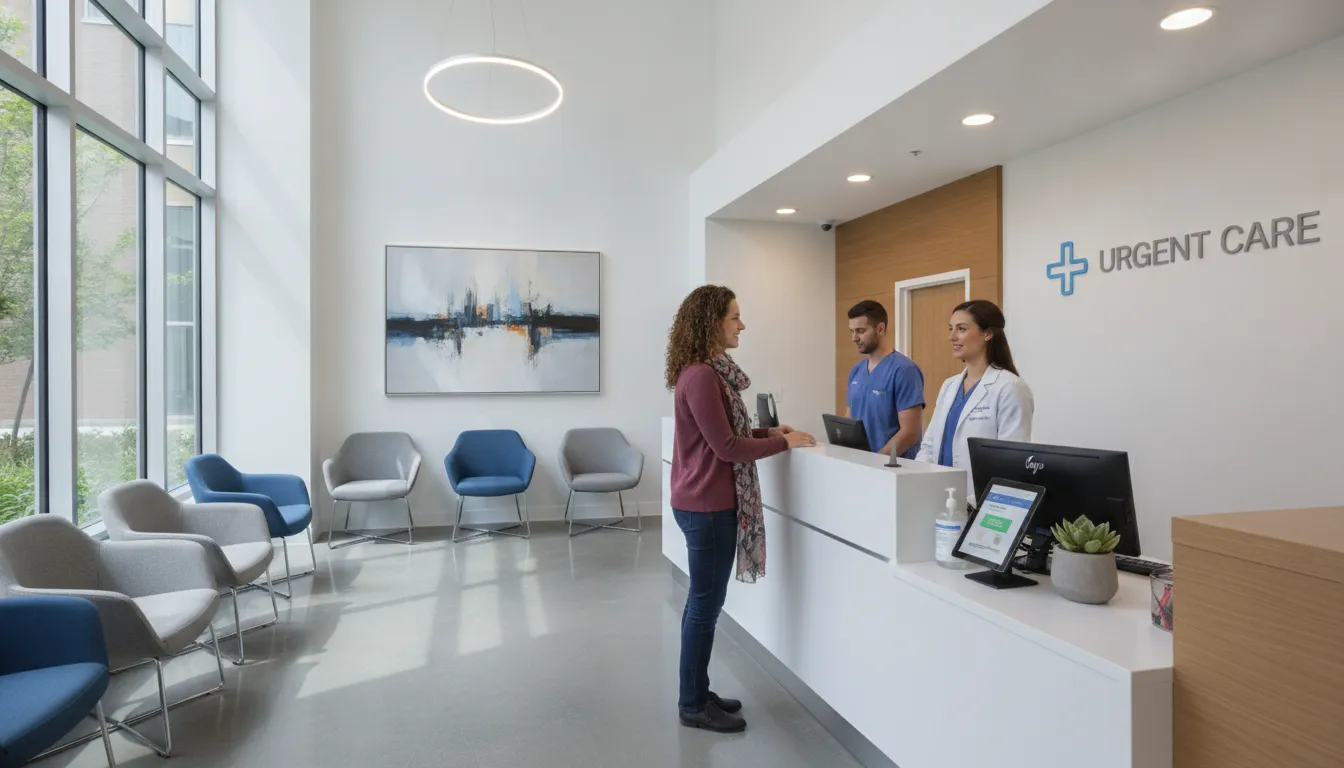
Primary Care vs Urgent Care: Key Differences
Primary care focuses on ongoing, comprehensive health management through a long-term provider relationship, while urgent care delivers immediate treatment for minor acute conditions without continuity of care.
While both places treat common health issues, they have different goals. Primary care focuses on long-term health. Urgent care handles immediate, short-term needs. Making the right choice can save you time and money. It also helps you get the best care for your specific problem.
Care Focus and Relationships
Primary care doctors look at your health over many years. This relationship helps them find problems early through tests and checkups. They manage long-term health issues like high blood pressure or diabetes. According to the National Institutes of Health, staying with one doctor helps you stay healthy. Most people find it helpful to have a doctor who knows their full medical history.
Urgent care is for one-time needs. You might see a doctor for a sore throat or a minor burn. You likely will not see the same doctor twice. These clinics help when you cannot wait for a regular visit but do not have a life-threatening crisis. They are best for minor health issues that happen at night or on weekends. They offer a middle ground between your regular doctor and the hospital.
Cost and Timing
Cost is a big factor when deciding where to seek care. Primary care visits often have lower costs than other choices. On average, a visit to a primary doctor costs about $171. Urgent care visits tend to cost more, often starting around $180. These centers may also charge extra fees that a private office does not have. Your insurance plan may also have different costs for each place.
Timing also matters. A primary care office usually works by appointment during the day. Urgent care clinics stay open late to help with sudden needs. If you have a mild issue that can wait a day, your regular doctor is the best choice. For a problem that needs a fast fix now, an urgent clinic is better. Knowing these differences helps you avoid the high price of an emergency room visit.
| Feature | Primary Care | Urgent Care | Emergency Room |
|---|---|---|---|
| Average Cost | About $171 | About $180 to $220 | About $2,200+ |
| Typical Wait | Scheduled time | 15 to 45 minutes | 2 to 4 hours |
| Doctor Relation | Long-term and stable | One-time and fast | Emergency only |
| Type of Care | Preventive and long-term | Minor sick visits | Life-saving care |
| Common Use | Checkups and labs | Flu, cuts, and UTIs | Chest pain or stroke |
Tools and Medical Skill
Urgent care clinics can treat minor cuts or sprains. They often have basic X-ray machines and simple tests. But they do not have the heavy tools found in a hospital. For deep wounds or major breaks, emergency rooms offer better imaging and surgery. If your symptoms include a very high fever or trouble breathing, go to the hospital right away. Knowing where to go helps you get the right help at the right time.
When to Choose Primary Care
Choose primary care for routine checkups, preventive screenings, chronic disease management. And any health concern that benefits from a provider who knows your full medical history and can track changes over time.
A primary care doctor knows your health past well. They help you stay well and find small problems before they grow into big ones. This type of care looks at the whole person. It is best for health issues that need steady care. When you think about primary care vs urgent care, pick primary care for your regular health goals.
Routine Health and Staying Well
Steady checkups are a main part of primary care. These visits include yearly exams and regular health tests. Your doctor checks for high blood pressure, high blood sugar, and other risks. They also give you shots to keep you safe from many health issues. These steps help you stay on track with your long-term health plan. By finding issues early, you can often avoid more serious visits later.
Primary care also includes tests for cancer and heart health. These checks help your doctor spot risks based on your age and past. Staying up to date with these tests is vital for your health. Your primary care office keeps all your records in one place. This makes it easy to see how your health changes over the years.
Care for Long-Term Illness
If you have a long-term illness, primary care is the best choice. This includes health issues like heart disease or diabetes. Your doctor handles your care over many months or years. They manage ongoing pill care and dose changes. This steady care helps keep your symptoms under control. It is also a better way to watch for side effects from your pills.
Your primary care doctor also helps with care between different experts. They can send you to an expert if you need one. They make sure all your doctors have the same facts about your health. This helps avoid errors and ensures you get the right tests. Having one main doctor keeps your health story clear and simple.

Personal Health Planning
Your primary care doctor learns about your family health past. This helps them give advice that fits your exact needs. They can provide lifestyle tips to help you reach your goals. Better health results often come from active patient work with a regular doctor. This bond makes it easier to talk about mental health or private concerns.
When you see the same doctor often, you build trust. This trust is key for handling complex health needs. You can ask questions and get clear answers that make sense for you. This kind of care is not just about a single visit. It is about building a healthy life for the long term. You get a partner who cares about your total health and future.
When to Choose Urgent Care
Choose urgent care for sudden, minor symptoms like sore throats, earaches, urinary tract infections, minor cuts. Sprains, or fevers that arise after hours or when your primary care doctor has no same-day availability.
Deciding between primary care vs urgent care often comes down to the timing and severity of your health needs. Urgent care serves as a helpful link for relief from symptoms when your regular doctor is not available but your case is not a life-threatening crisis. These clinics handle short-term issues with speed and efficiency.
Acute symptoms and infections
Most people use urgent care for sudden, minor illnesses that cause discomfort but do not put their life at risk. These clinics are well-suited for common minor health issues like sore throats, earaches, or urinary tract infections. Staffed by doctors and nurse practitioners, these centers focus on quick care for single episodes of illness.
If you have a persistent cough or a mild rash without a fever, an urgent care visit can help you get a diagnosis fast. But these visits are best for people who do not have complex underlying health conditions that need close care. For those with chronic issues, follow-up care with a primary doctor is often better for long-term health.
Minor injuries and after-hours care
Urgent care is the right place for small injuries that need expert help but do not need a hospital trauma room. This includes sprains, minor cuts that might need stitches, and small burns. These centers have the tools to manage simple fractures and lacerations that are not life-threatening. When your primary clinic is closed, these sites offer a way to get care the same day.
How to decide on an urgent care visit
- Assess your symptom level. Look for minor signs like a sore throat, earache, or a skin rash without a high fever.
- Check the timing of your need. Use urgent care for same-day needs that occur after your primary doctor has closed for the day.
- Review your health history. Choose urgent care if you generally have no other complex health issues or chronic conditions.
- Identify the type of injury. Seek help for minor sprains, small burns, or cuts that do not involve heavy bleeding.
- Determine if you can wait. If the issue can wait until a morning visit with your doctor, primary care is usually the best choice for lower costs.
When to Go to the Emergency Room Instead
Go to the emergency room for life-threatening symptoms including chest pain, difficulty breathing, severe bleeding, head injuries, loss of consciousness. Deep wounds, or any symptom that could signal a medical emergency requiring advanced diagnostic tools and surgical intervention.
Choosing between primary care vs urgent care is often a matter of ease. But in some cases, you need a higher level of help. Emergency units handle life- or limb-threatening issues for people of all ages. Making the right choice helps reduce system strain and keeps hospitals from getting too crowded. If your issue is not an emergency, you can often get help through family clinic services that offer same-day visits. NuGen Medicine helps patients decide where to go by offering both primary and same-day care.
Recognizing red-flag signs
You should head to the ER now for major health signs. These include chest pain, trouble breathing, or severe bleeding that will not stop. Deep wounds or large cuts also need emergency medical care rather than a walk-in clinic.
If you have a minor illness like an earache, you can usually wait for a doctor. But if that earache comes with a high fever of 104 degrees or more, you need the ER. Other warning signs include head injuries, loss of consciousness, or high-risk obstetric issues. Emergency units are also the best place for complex pediatric cases that need high-level care.
Advanced tools for complex cases
The ER has tools that most small clinics do not have. These hospitals use advanced diagnostic tools and labs to find the cause of severe cases. They have fast on-site lab services and high-level imaging machines. This equipment helps doctors treat complex problems that need surgery or intensive care.
The high cost of emergency visits
Cost is a major factor in the primary care vs urgent care debate. Emergency rooms are the most expensive way to get care. In 2022, the average price for one ER visit was $2,256. This is a big jump from past years. Choosing the right site of care saves you money and helps the healthcare system work better. For needs that do not threaten your life, check with your doctor first to avoid these high bills.
How NuGen Medicine Helps You Navigate Both Options
NuGen Medicine bridges the gap between primary care and urgent care by offering comprehensive primary care services alongside same-day virtual visits. All under one practice with consistent physician oversight from Dr. Nima Ghadimi.
Choosing between primary care and urgent care often feels like a choice between speed and depth. NuGen Medicine solves this problem by offering both service types in one practice. Whether you need a long-term plan or a same-day visit for a minor illness, our team provides a single medical home. This model ensures you do not have to choose between fast care and high quality.
Integrated Primary and Urgent Care
Many people find it hard to link their regular doctor with quick clinic visits. At NuGen Medicine, we offer comprehensive primary care plus same-day visits for urgent needs. This allows our board-certified doctor, Dr. Nima Ghadimi, to see your full health history. You get the fast care of a clinic with the expert view of a dedicated doctor. Dr. Ghadimi is a board-certified internal medicine physician with over 20 years of experience and advanced training from Mayo Clinic.
Studies show that clear triage paths help patients find the best care setting. By keeping your files in one place, we avoid the broken care found in large health systems. Our team makes sure your quick visits help your long-term health goals. This continuity of care leads to better results and fewer repeat tests.
Telehealth and Easy Access
Healthcare should fit your life. We offer doctor-led virtual care visits for patients in Arizona, California, Florida, and Colorado. This hybrid path lets you handle routine check-ups or quick questions from your home. It is a simple way to get medical advice without the wait times of a clinic waiting room.
If you are new to the practice, we offer a $0 first talk for our men’s telehealth services. Our same-week appointments mean you can get care when you need it, not when a calendar slot opens up. This is especially helpful for busy professionals who cannot take time off during normal office hours. With NuGen Medicine, you do not have to choose between your schedule and your health.
Frequently Asked Questions
What is the main difference between primary care vs urgent care? Primary care provides ongoing, comprehensive health management through a long-term relationship with a single provider. Urgent care delivers walk-in treatment for minor acute conditions without continuity of care. Primary care focuses on prevention and chronic disease management, while urgent care handles immediate, short-term needs.
When should I go to urgent care instead of my primary care doctor? Choose urgent care when you have a minor symptom like a sore throat, earache, urinary tract infection. Or minor injury that needs same-day attention but your primary care doctor has no available appointments or the clinic is closed. Urgent care is best for acute, episodic issues that arise suddenly.
Is urgent care more expensive than primary care? Yes, urgent care typically costs more than a primary care visit. The average primary care visit costs about $171, while urgent care averages $180 to $220 per visit. Urgent care centers may also charge facility fees that a standard doctor’s office does not. However, both are significantly cheaper than an emergency room visit, which averages $2,256.
Can NuGen Medicine treat urgent health issues? Yes, NuGen Medicine offers same-day virtual care visits for minor acute issues like colds, flu symptoms, urinary tract infections, and other common conditions through their family clinic services. This allows patients to get prompt care while maintaining continuity with their regular physician, Dr. Nima Ghadimi.
What symptoms require a trip to the emergency room instead? Go to the ER for chest pain, difficulty breathing, severe bleeding that will not stop, head injuries. Loss of consciousness, deep wounds, high fever over 104 degrees with other symptoms, or any condition that could be life-threatening. Emergency rooms have advanced diagnostic tools and surgical capabilities that urgent care clinics do not.
Get the Right Care at NuGen Medicine
Understanding the difference between primary care vs urgent care helps you make smarter decisions about your health. When you choose the right care setting, you save money, get faster treatment, and build a stronger relationship with a doctor who knows your health story. At NuGen Medicine, we make this easy by offering both comprehensive primary care and same-day virtual visits under one practice.
Do not wait until a small health concern becomes a bigger problem. Schedule your primary care consultation today and take control of your health with a doctor who puts you first. Book your visit now to get started with NuGen Medicine.
Leave a Reply